Last summer, I watched a buddy's 12,000 lb winch struggle to pull his Tacoma out of a muddy ravine — even though the truck only weighed 5,200 lbs. The winch motor was screaming, the rope barely moved, and we both stood there wondering what went wrong. That experience taught me a hard lesson: knowing how to increase winch pull power matters just as much as owning the right winch. Whether you're into off-roading, overlanding, or just want a reliable recovery setup, getting maximum force from your winch can be the difference between a quick self-recovery and an expensive tow. If you're new to winch mechanics, start with our guide on how a hydraulic winch works for a solid foundation.
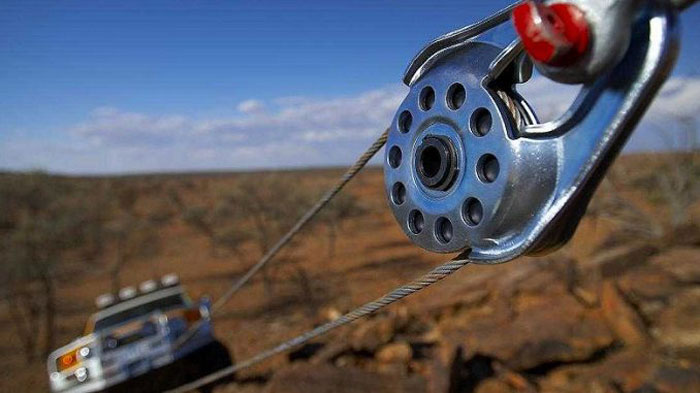
The good news is you don't need to buy a bigger winch. Several proven techniques — from snatch blocks to proper spooling — let you multiply your existing winch's output. In this guide, you'll learn exactly what affects pull strength, how to troubleshoot weak pulls, and which upgrades actually deliver results without draining your wallet.
Every technique here applies to electric winches mounted on ATVs, UTVs, Jeeps, and full-size trucks. The physics is the same regardless of platform. Let's get into it.
Contents
What Determines Your Winch's Actual Pull Strength
Your winch's rated pull capacity is measured with a single layer of cable on the drum and a direct horizontal pull. That number on the box rarely matches what you get in the field. Understanding the variables behind how to increase winch pull power starts with knowing what reduces it in the first place.
Rated Capacity vs. Real-World Output
Manufacturers test winch ratings under ideal conditions. They use the first layer of rope on the drum, a flat surface, and a dead-weight pull. Your actual recovery scenario involves none of those things. Here's what changes the math:
- Pull angle — any uphill or side angle increases the effective load dramatically
- Surface resistance — mud, sand, and snow add suction and drag forces
- Vehicle weight distribution — a nose-down stuck vehicle puts more load on the winch than flat ground
- Rope condition — frayed synthetic rope or kinked steel cable creates friction on the fairlead
A 12,000 lb rated winch pulling a vehicle uphill at 30 degrees only delivers about 60% of its rated capacity to overcome the slope. Factor in mud suction and you're working with even less. The mechanical advantage principles behind winches explain why rated numbers are starting points, not guarantees.
How Drum Layers Slash Your Pulling Force
This is the single biggest factor most people overlook. Your winch delivers maximum pull on the first layer of rope wrapped around the drum. Each additional layer reduces pulling power significantly because the effective drum diameter increases, reducing the mechanical advantage of the gear train.
| Drum Layer | Approximate Pull Capacity | Power Loss |
|---|---|---|
| 1st Layer (innermost) | 100% of rated | 0% |
| 2nd Layer | ~75% of rated | ~25% |
| 3rd Layer | ~62% of rated | ~38% |
| 4th Layer | ~53% of rated | ~47% |
| 5th Layer (outermost) | ~45% of rated | ~55% |
A 10,000 lb winch with all five layers full only pulls about 4,500 lbs on that outermost layer. Always unspool as much rope as possible before pulling. Get your anchor point farther away or use an extension strap. This single habit gives you more pulling power for zero cost.
Why Your Winch Isn't Pulling at Full Strength
Before you spend money on upgrades, diagnose what's stealing your existing power. Most weak winch pulls trace back to electrical or mechanical issues you can fix in your driveway.
Electrical Problems That Rob Power
Electric winches are power-hungry. A 12,000 lb winch draws 400+ amps under full load. That current has to travel from your battery, through cables, solenoids, and connections. Any weak link in that chain starves the motor. Common culprits include:
- Undersized battery cables — factory wiring can't handle sustained winch loads
- Corroded terminal connections at the battery or winch motor
- A weak or undersized battery that drops below 10V under load
- Loose ground connections causing voltage drop
Use a multimeter to check voltage at the winch motor terminals while pulling under load. If you see more than a 1.5V drop from the battery to the motor, your wiring is the bottleneck. If you suspect electrical gremlins elsewhere in your vehicle, our guide on how to find a short in a car covers diagnostic basics that apply here too.
Pro Tip: Upgrade to 2-gauge winch leads and add a dedicated winch battery if your primary battery is under 750 CCA. This alone can recover 15–20% of lost pulling power on long, sustained pulls.
Mechanical Drag and Friction Losses
Your winch loses power to friction at multiple points. The fairlead is the biggest offender — a roller fairlead in poor condition or a hawse fairlead with a kinked rope creates drag that fights your pull. Check these mechanical points:
- Clean and lubricate roller fairlead bearings annually
- Inspect the brake mechanism for dragging or binding
- Replace frayed or heat-damaged synthetic rope
- Verify the drum spools evenly — bunched rope causes binding and uneven loads
Steel cable users should inspect for broken strands and kinks. Even one kink in a steel cable creates a stress point that adds friction through the fairlead and reduces safe working load. Switching to synthetic rope eliminates this issue and reduces overall weight on your automotive setup.
Snatch Blocks vs. Multi-Line Rigging
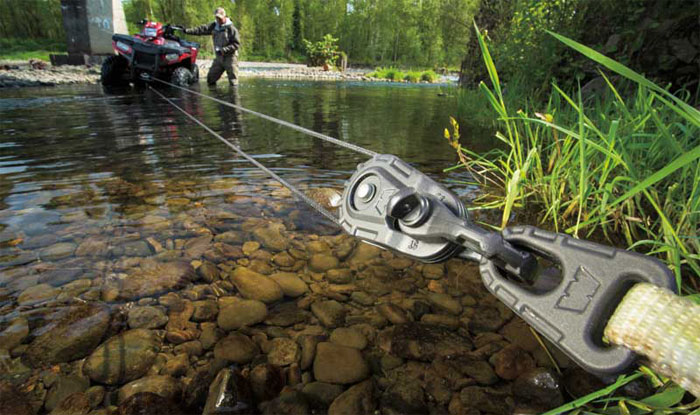
This is where the real mechanical advantage comes in. A snatch block is the most effective way to increase winch pull power without modifying the winch itself. It's simple physics: redirect the rope through a pulley block and you double your pulling force.
Single Line vs. Double Line Comparison
Running your winch rope through a snatch block and back to an anchor point on your vehicle creates a 2:1 mechanical advantage. Your 10,000 lb winch now pulls with roughly 20,000 lbs of force. The tradeoff is speed — you pull at half the line speed because the motor has to reel in twice the rope length.
You can stack snatch blocks for even greater multiplication:
- Single line — 100% rated pull, full speed
- Double line (1 snatch block) — ~190% effective pull, half speed
- Triple line (2 snatch blocks) — ~270% effective pull, one-third speed
The numbers aren't perfect multiples because friction in the pulley bearings absorbs roughly 5–10% per redirect. Quality snatch blocks with sealed roller bearings minimize this loss.
Setting Up a Proper Redirect
Anchor a snatch block to a solid natural anchor point — a tree with a tree-saver strap, a buried spare tire, or a ground anchor rated for the load. Run your winch rope out to the snatch block, through the pulley, and back to a recovery point on your vehicle.
Key rules for safe rigging:
- Always use a snatch block rated at or above your winch's doubled capacity
- The anchor point must handle the full combined load — not the single-line rating
- Keep the rope angles as straight as possible to avoid side-loading the fairlead
- Use a heavy blanket or winch line damper over the rope in case of failure
Snatch blocks also let you change your pull direction. When there's no straight-ahead anchor, redirect around a tree off to the side. This flexibility makes snatch blocks essential recovery gear alongside your portable jump starter and basic recovery kit.
Recovery Scenarios and the Setups That Worked
Theory only gets you so far. Here's how these techniques play out in real recovery situations where winch power determines whether you drive home or call a tow truck.
Deep Mud Recovery
A full-size truck buried to the frame rails in clay mud can require 15,000–20,000 lbs of force to break free. The suction effect of thick mud resists extraction harder than the vehicle's own weight. Here's the setup that works consistently:
- Unspool all available rope to get down to the first or second drum layer
- Run a double-line pull through a snatch block anchored to a tree 50+ feet ahead
- Dig around the tires and frame to break the mud seal before pulling
- Pull in short bursts — let the winch motor cool between 30-second pulls
That digging step matters more than most people think. Breaking the suction seal around the tires and undercarriage can reduce the required pull force by 30–40%. Combine that with a double-line snatch block setup and a 12,000 lb winch handles the job.
Steep Incline Pulls
Pulling a vehicle up a steep trail requires sustained force against gravity. A 5,000 lb vehicle on a 45-degree slope needs roughly 3,500 lbs of continuous pulling force just to overcome gravity — before adding surface friction. Your winch motor generates serious heat during sustained pulls like this.
Run the engine at fast idle during the pull to keep the alternator charging and the battery voltage up. Monitor your winch motor temperature by touch if you don't have a thermal gauge. If the motor housing is too hot to hold your hand on, stop and let it cool for five minutes. Overheating is the number one killer of winch motors in steep recovery work. Keeping your vehicle's electrical system in top shape matters here — make sure your spark plugs are performing properly so the engine maintains steady RPM under load.
Winch Power Myths That Waste Your Money
The off-road community loves to debate winch upgrades. Some advice is solid. Some costs you money for zero benefit. Let's separate fact from fiction.
Bigger Winch Isn't Always Better
The most common recommendation for increasing pull power is buying a bigger winch. A 15,000 lb winch instead of a 10,000 lb unit sounds logical. But consider this: that bigger winch weighs more, draws more current, and requires heavier mounting hardware. All that extra weight on your front bumper affects suspension geometry, steering response, and fuel economy.
A 10,000 lb winch with a $40 snatch block delivers 20,000 lbs of pull. A 15,000 lb winch alone delivers 15,000 lbs — and costs $400–800 more. The snatch block wins on both performance and cost. The only scenario where upgrading the winch makes sense is when you need faster line speed under heavy loads.
Synthetic Rope Reduces Pull Power
Some old-timers insist that steel cable pulls harder than synthetic rope. This is false. The winch motor and gear train determine pull force — the rope is just the connection. Synthetic rope actually improves real-world performance because:
- It weighs 80% less than steel cable, reducing drum inertia
- It doesn't kink, so it feeds through the fairlead with less friction
- It's safer in failure — synthetic rope drops instead of whipping
- It floats, making water crossings and mud recoveries easier
The one legitimate concern with synthetic rope is abrasion. It's more vulnerable to sharp rocks and edges than steel cable. Use a rock guard sleeve on the first 10 feet and inspect for fraying regularly. If you're maintaining other parts of your vehicle, you already know the value of routine checks — same principle as knowing how often to change your car's air filter.

What It Actually Costs to Boost Pull Power
You don't need a massive budget to make meaningful improvements. Here's a realistic breakdown of upgrades ranked by cost-effectiveness.
Budget-Friendly Upgrades
These upgrades cost under $100 each and deliver the most pull-per-dollar improvement:
- Snatch block ($30–60) — doubles effective pull power instantly
- Battery terminal cleaner and dielectric grease ($10) — restores lost electrical conductivity
- Heavy-gauge winch leads, 2 AWG ($40–70) — eliminates voltage drop under load
- Tree-saver straps ($15–30) — proper anchoring for snatch block redirects
- Winch line damper ($15–25) — safety essential, not a power upgrade but critical gear
Total investment for the above: roughly $110–195. That package gives you double the effective pulling power plus proper safety gear. It's the best value in the recovery equipment world.
Premium Upgrades Worth the Investment
Once you've handled the basics, these higher-cost upgrades address specific weaknesses:
- Synthetic rope replacement ($80–180) — less friction, lighter, safer than worn steel cable
- Dedicated winch battery ($150–250) — sustained voltage under heavy loads; AGM or lithium
- Upgraded solenoid pack ($80–150) — factory solenoids are often the weak link in the circuit
- Wireless remote control ($50–120) — not a power upgrade, but lets you operate from a safe position
Skip the gimmick products — winch motor "boosters," magnetic fuel treatments, and aftermarket gear oil additives don't deliver measurable improvements. Spend that money on proper electrical connections and a quality snatch block instead.
Frequently Asked Questions
Can you increase winch pull power without buying new equipment?
Yes. Unspooling more rope to reduce drum layers, cleaning electrical connections, and ensuring your battery is fully charged before a pull all increase effective power at zero cost.
How much weight can a snatch block add to my winch capacity?
A single snatch block roughly doubles your winch's effective pulling force. A 10,000 lb winch with one snatch block delivers approximately 19,000 lbs of pull after accounting for friction losses in the pulley.
Is it safe to stack multiple snatch blocks?
Yes, as long as every component — snatch blocks, anchor straps, and anchor points — is rated for the multiplied load. Two snatch blocks on a 10,000 lb winch create roughly 27,000 lbs of force on the anchor, which exceeds most tree-saver strap ratings. Size your gear accordingly.
How often should you service a winch for maximum performance?
Inspect and lubricate your winch before every season of heavy use. Check electrical connections monthly if you wheel regularly. Replace synthetic rope every 3–5 years or immediately if you see fraying, discoloration, or heat damage.
Key Takeaways
- Unspool as much winch rope as possible before every pull — each drum layer costs you up to 25% of rated capacity, and this is the easiest free power gain available.
- A $40 snatch block doubles your effective pulling force, outperforming a winch upgrade that costs ten times as much.
- Fix your electrical system first — corroded terminals, thin cables, and weak batteries steal more winch power than any mechanical issue.
- Skip gimmick products and invest in quality connections, a proper snatch block, and rated recovery gear for the safest, most cost-effective power increase.


About Chris Lewis
Chris Lewis developed a deep knowledge of automotive filtration, maintenance, and repair through years of hands-on experience working on vehicles — a passion rooted in time spent in his father's San Francisco auto shop from an early age. He has practical familiarity with air, oil, fuel, and cabin filter systems across a wide range of vehicle makes and models, along with experience evaluating the tools and equipment that serious DIY mechanics rely on. At MicrogreenFilter, he covers automotive and motorcycle filter reviews, maintenance guides, and automotive tool recommendations.
Get FREE Filters now. Or latest free tools from our best collections.
Disable Ad block to get all the secrets. Once done, hit any button below