Ever wondered what separates a car that lasts 200,000 miles from one that barely makes it to 100,000? The answer is simpler than you think — consistent, basic car maintenance tips for new owners can make all the difference between a reliable ride and an expensive headache. Whether you just drove off the lot or picked up your first used vehicle, knowing how to care for your car saves you thousands in the long run. This guide from our car care section breaks down everything you need to know into practical, easy-to-follow steps.
Your owner's manual is the single most important document you own as a new car owner. It tells you exactly when to change your oil, rotate your tires, and replace your filters. Every car is different, so treat that manual like your maintenance bible.
The good news is that most routine maintenance is straightforward. You don't need to be a mechanic to keep your car in great shape — you just need to be consistent.
Contents
Simple Maintenance Tasks You Can Start Today
You don't need fancy tools or years of experience to handle the basics. These quick wins take minutes but pay off for years.
Checking Your Fluids
Pop your hood once a month and check these five fluids:
- Engine oil — pull the dipstick, wipe it, reinsert, and check the level. The oil should be amber or light brown, not black and gritty.
- Coolant — check the reservoir when the engine is cold. The level should sit between the MIN and MAX lines.
- Brake fluid — look at the transparent reservoir near the firewall. Low brake fluid can mean worn brake pads.
- Power steering fluid — if your car has hydraulic steering, check the reservoir cap dipstick.
- Windshield washer fluid — the easiest one. Just top it off whenever it's low.
Monitoring Tire Pressure
Under-inflated tires wear out faster, hurt your gas mileage, and make your car harder to handle. Check your tire pressure at least once a month with a simple gauge — they cost under ten dollars. The correct PSI (pounds per square inch) is printed on a sticker inside your driver's door jamb, not on the tire sidewall. That number on the tire is the maximum, not the recommended pressure.
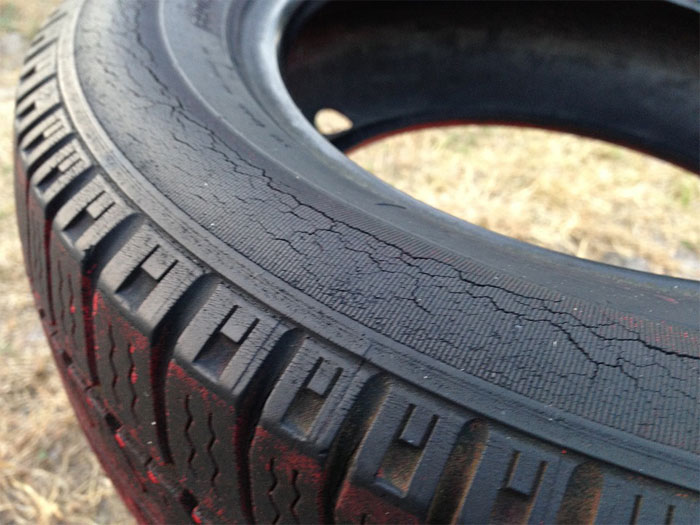
Rotate your tires every 5,000 to 7,500 miles. This evens out the wear and extends the life of each tire significantly.
Your Essential Fluid and Filter Schedule
One of the most important basic car maintenance tips for new owners is sticking to a schedule. Here's a quick-reference table you can save or print out.
Oil Changes
Your engine oil is what keeps all those metal parts from grinding against each other. Change conventional oil every 5,000 miles and synthetic oil every 7,500 to 10,000 miles. If you're curious about the trade-offs, check out our breakdown of the advantages and disadvantages of synthetic oil.
Filter Replacements
Filters are cheap but critical. A clogged air filter chokes your engine, reducing power and fuel economy. A dirty cabin filter means you're breathing in dust and allergens every time you drive. Here's a maintenance schedule to follow:
| Maintenance Task | Frequency | Estimated Cost (DIY) | Estimated Cost (Shop) |
|---|---|---|---|
| Engine oil change | Every 5,000–10,000 miles | $25–$45 | $50–$100 |
| Engine air filter | Every 15,000–30,000 miles | $10–$20 | $25–$50 |
| Cabin air filter | Every 15,000–20,000 miles | $10–$25 | $40–$80 |
| Oil filter | Every oil change | $5–$15 | Included with oil change |
| Fuel filter | Every 20,000–40,000 miles | $15–$30 | $50–$150 |
| Tire rotation | Every 5,000–7,500 miles | Free (with jack) | $25–$50 |
| Brake inspection | Every 12,000–15,000 miles | Visual check free | $50–$100 |
| Coolant flush | Every 30,000–50,000 miles | $20–$30 | $100–$200 |
Not sure which oil filter type is right for your vehicle? Our guide to the different types of oil filters walks you through the options.
Warning Signs You Should Never Ignore
Your car talks to you. The problem is that most new owners don't know how to listen. Here are the signals that mean "fix me now, not later."
Dashboard Lights
Modern cars have dozens of warning lights, and each one exists for a reason. Never ignore the check engine light, oil pressure light, or temperature gauge warning. These three signal problems that can destroy your engine if left unchecked.
- Check engine light — could be anything from a loose gas cap to a failing catalytic converter. Get it scanned (most auto parts stores do this free).
- Oil pressure light — pull over safely and check your oil level immediately. Driving with low oil pressure causes catastrophic engine damage.
- Temperature warning — your engine is overheating. Pull over, turn off the AC, and let it cool before opening the hood.
Unusual Sounds and Smells
Squealing brakes mean your pads are worn. A grinding noise means you've gone past the pads and you're damaging your rotors — a much more expensive fix. A sweet smell from under the hood usually points to a coolant leak. Rotten egg smell? That's likely your catalytic converter. Any of these deserve a same-week visit to your mechanic.
Lessons from First-Time Car Owners
Talk to anyone who's owned a car for a decade and they'll have at least one expensive lesson to share. Here are the most common ones so you can learn from their mistakes instead of your own.
Costly Mistakes to Avoid
- Skipping oil changes — one owner drove 15,000 miles without an oil change on conventional oil. The engine seized, and the repair bill exceeded the car's value.
- Ignoring a small coolant leak — what started as a $30 hose replacement turned into a $2,500 head gasket job because they kept topping off instead of fixing the source.
- Using the wrong fuel — putting regular gas in a car that requires premium causes knocking (premature ignition in the cylinders), which damages internal engine components over time.
- Neglecting tire rotations — uneven wear forced a full set replacement at 25,000 miles instead of 50,000.
The pattern is clear: small neglect leads to big bills. According to the U.S. Bureau of Transportation Statistics, the average annual cost of operating a vehicle is significant — and poor maintenance only drives that number higher.
When to DIY and When to Call a Mechanic
Knowing your limits is one of the smartest basic car maintenance tips for new owners. Some jobs are perfect for your driveway. Others belong in a shop with proper lifts and diagnostic tools.
Tasks You Can Handle
These require minimal tools and experience:
- Checking and topping off all fluids
- Replacing windshield wipers
- Swapping out air filters (engine and cabin)
- Changing your own oil (with a jack, drain pan, and wrench)
- Replacing headlight or taillight bulbs
- Jumping a dead battery
Jobs for the Professionals
Leave these to a trusted mechanic:
- Brake pad and rotor replacement
- Transmission service
- Timing belt replacement
- Suspension and steering repairs
- Any job requiring specialized diagnostic equipment
A good rule of thumb: if the repair involves safety-critical systems like brakes, steering, or suspension, and you're not confident in your skill level, pay the professional. The cost of a mistake far outweighs the labor savings.
Basic Car Maintenance Tips for New Owners: Habits That Last
Maintenance isn't a one-time event. It's a set of habits you build over time. Here's how to set yourself up for the long haul.
Seasonal Care
Your car needs different attention depending on the season:
- Spring — wash off road salt, check alignment after pothole season, inspect wiper blades.
- Summer — test your AC, check coolant levels more frequently, and keep an eye on tire pressure (heat increases PSI).
- Fall — replace wiper blades before winter, check your battery, and switch to winter tires if you live in a cold climate.
- Winter — keep your gas tank at least half full to prevent fuel line freezing, use winter-grade washer fluid, and warm up your engine for 30 to 60 seconds before driving.
Keeping Records
Keep a simple log of every maintenance task — date, mileage, what was done, and cost. You can use a notebook in your glove box or a free app on your phone. Good records increase your car's resale value because buyers trust a vehicle with documented maintenance history. They also help you spot patterns, like if you're replacing a particular part more often than expected.

Frequently Asked Questions
How often should a new car owner change their oil?
For conventional oil, change it every 5,000 miles. For synthetic oil, you can safely go 7,500 to 10,000 miles between changes. Always check your owner's manual for the manufacturer's specific recommendation for your vehicle.
What is the most important maintenance task for a new car?
Regular oil changes are the single most important thing you can do. Clean oil protects your engine from friction and heat damage. Skipping oil changes is the fastest way to shorten your engine's life.
Can I do basic car maintenance myself with no experience?
Yes. Tasks like checking fluid levels, replacing air filters, swapping wiper blades, and monitoring tire pressure require no special skills. Start with these and build your confidence before tackling bigger jobs like oil changes.
How do I know when my brakes need replacing?
Listen for a high-pitched squealing sound when you brake — that's the wear indicator telling you the pads are thin. If you hear grinding, the pads are gone and you're damaging the rotors. Most brake pads last 30,000 to 70,000 miles depending on your driving habits.
Is it worth paying for a full-service oil change at a shop?
If you're not comfortable doing it yourself, absolutely. A shop oil change costs $50 to $100 and typically includes a multi-point inspection that can catch small problems early. The convenience and peace of mind are worth it for many new owners.
How often should I wash my car for maintenance purposes?
Wash your car every two weeks under normal conditions. If you drive on salted roads, near the coast, or on dusty gravel roads, wash it weekly. Salt and grime cause rust and eat away at your paint and undercarriage over time.
Key Takeaways
- Follow your owner's manual maintenance schedule religiously — it's the single best roadmap for keeping your car reliable and avoiding expensive repairs.
- Master the basics first — checking fluids, monitoring tire pressure, and replacing filters are simple tasks that prevent the majority of common breakdowns.
- Never ignore warning lights, unusual sounds, or strange smells — small problems caught early cost a fraction of what they cost when neglected.
- Keep a maintenance log for every service performed — it protects your investment and boosts resale value when it's time to sell.


About Chris Lewis
Chris Lewis developed a deep knowledge of automotive filtration, maintenance, and repair through years of hands-on experience working on vehicles — a passion rooted in time spent in his father's San Francisco auto shop from an early age. He has practical familiarity with air, oil, fuel, and cabin filter systems across a wide range of vehicle makes and models, along with experience evaluating the tools and equipment that serious DIY mechanics rely on. At MicrogreenFilter, he covers automotive and motorcycle filter reviews, maintenance guides, and automotive tool recommendations.
Get FREE Filters now. Or latest free tools from our best collections.
Disable Ad block to get all the secrets. Once done, hit any button below