Over 3 million licensed amateur radio operators currently operate in the United States alone, yet most people still confuse shortwave radio vs ham radio as the same thing. Our team at MicroGreenFilter has spent considerable time testing communication tools alongside our automotive equipment reviews, and we can confirm these two radio systems serve fundamentally different purposes. Much like understanding the difference between an oil filter and a fuel filter, knowing what separates shortwave from ham radio helps anyone make the right purchase decision.
Whether someone is outfitting a vehicle for overlanding trips or building an emergency communication kit for the garage, the shortwave vs ham distinction matters. One is purely a listening device; the other opens up two-way communication across continents. Our experience shows that many automotive enthusiasts end up wanting both — but starting with the right one saves money and frustration.
This guide breaks down the key differences in licensing, cost, capability, and practical use cases so that anyone exploring radio communication can choose confidently.
Contents
Understanding Shortwave and Ham Radio
Before diving into specifics, our team finds it essential to establish what each radio type actually does. The confusion between shortwave radio vs ham radio stems from overlapping frequency ranges, but the operational differences are substantial.
What Is Shortwave Radio?
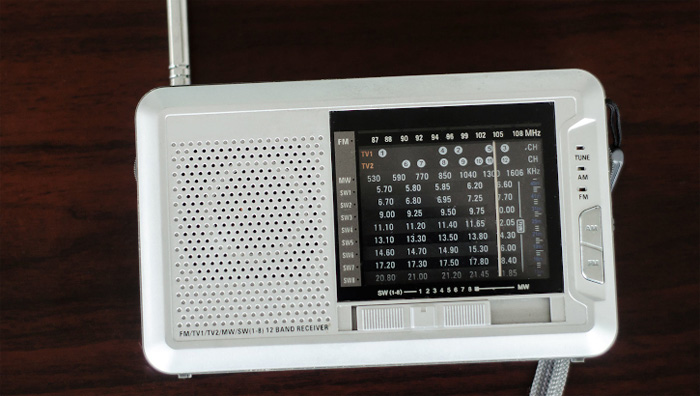
Shortwave radio operates on the high-frequency (HF) band between 1.7 MHz and 30 MHz. These signals bounce off the ionosphere, allowing broadcasts to travel thousands of miles. Key characteristics include:
- Receive-only operation — no transmitting capability
- No license required to listen
- Access to international broadcasts, weather stations, and emergency alerts
- Portable receivers available for under $50
- Ideal for monitoring NOAA weather frequencies during road trips
Shortwave listening (often called SWLing) is entirely passive. Think of it like scanning AM/FM stations, except the reach is global. The FCC's guide to radio services clarifies the legal distinctions between listening and transmitting.
What Is Ham Radio?
Ham radio — formally called amateur radio — is a two-way communication system that allows operators to transmit and receive across multiple frequency bands. The critical differences:
- Requires an FCC license (Technician, General, or Extra class)
- Covers VHF, UHF, and HF bands
- Enables voice, digital, and even video communication
- Operators can reach other stations worldwide
- Used extensively in emergency and disaster communication
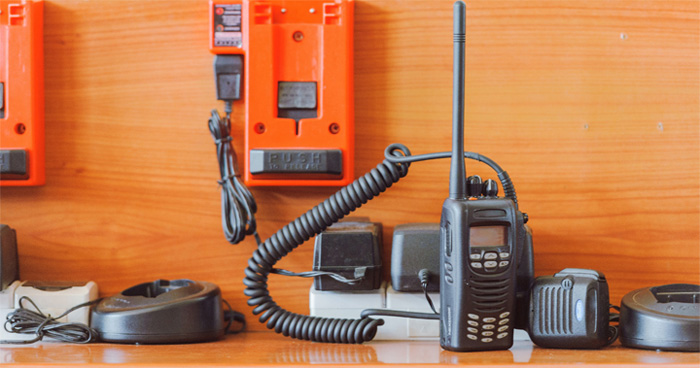
Ham radio shares some frequencies with shortwave broadcasts, which is why people conflate the two. However, ham operators actively participate in conversations, relay emergency traffic, and experiment with antenna designs — none of which a shortwave receiver can do.
When Each Radio Type Makes Sense
Our team recommends thinking about radio selection the same way we approach choosing between an oil extractor and a drain plug — both accomplish related goals, but the right choice depends entirely on the situation.
Ideal Scenarios for Shortwave
Shortwave receivers excel in passive monitoring situations:
- Road trips and overlanding — picking up weather alerts and international broadcasts in remote areas where cell service drops
- Emergency preparedness kits — no license means instant deployment
- Monitoring aviation and maritime frequencies during coastal drives
- Learning about radio propagation before committing to ham licensing
For anyone who simply wants to listen and stay informed, shortwave is the answer. There is zero paperwork, zero testing, and zero ongoing obligations.
Ideal Scenarios for Ham Radio
Ham radio becomes the clear winner when two-way communication is the goal:
- Convoy communication on group road trips (VHF/UHF handheld radios)
- Emergency communication when cell towers fail
- Reaching family members hundreds of miles away without infrastructure
- Participating in community emergency response teams (CERT)
- Technical experimentation with antennas and digital modes
Pro Tip: Many overlanders install a dual-band ham radio (VHF/UHF) in their vehicle for trail communication and keep a separate shortwave receiver for weather monitoring — covering both listening and talking needs.
Essential Equipment and Setup
The gear requirements for shortwave radio vs ham radio differ dramatically in complexity. Our team breaks down what each setup requires, from bare minimum to enthusiast-level builds.
Shortwave Receiver Gear
A functional shortwave listening station needs surprisingly little:
- A portable or tabletop shortwave receiver
- An external wire antenna (20-50 feet of wire improves reception significantly)
- Rechargeable batteries or a 12V adapter for vehicle use
- Optional: antenna tuner for improved signal selection
Most portable shortwave radios run on AA batteries and fit in a glove compartment. The simplicity is the selling point — pull it out, extend the antenna, and start scanning frequencies.
Ham Radio Station Components
A ham radio station involves more components, especially for HF (long-distance) operation:
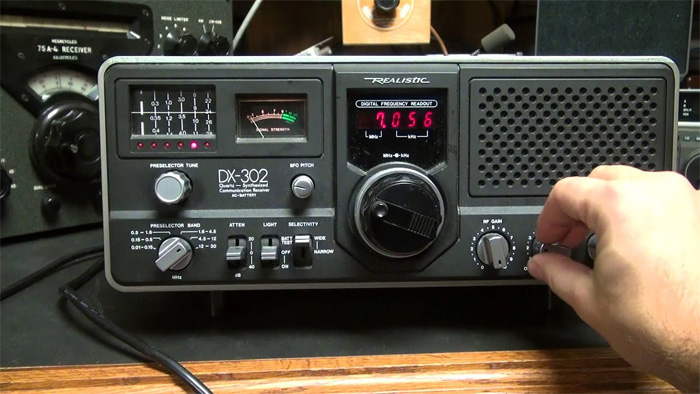
- Transceiver (combined transmitter/receiver)
- Antenna system — dipole, vertical, or beam depending on goals
- Antenna tuner for matching impedance
- Power supply (13.8V regulated for most HF rigs)
- Coaxial cable and connectors
- SWR meter for antenna performance monitoring
- Grounding system for safety
Vehicle-mounted ham installations require additional planning for antenna mounting, power routing from the battery, and noise suppression to eliminate engine interference. Anyone who has dealt with improving AM radio reception in a vehicle understands how electrical noise from alternators and ignition systems can degrade signal quality.
Cost and Budget Breakdown
Budget is often the deciding factor when people compare shortwave radio vs ham radio. Here is a realistic breakdown based on our team's research and purchasing experience.
| Category | Shortwave Radio | Ham Radio (Technician) | Ham Radio (HF/General) |
|---|---|---|---|
| Entry receiver/transceiver | $30–$150 | $25–$60 (handheld) | $500–$1,500 |
| Antenna | $0–$40 (wire) | $20–$80 | $100–$500 |
| Power supply | Batteries/$15 | Batteries/$25 | $100–$200 |
| License exam fee | $0 | $35 | $35 |
| Study materials | $0 | $0–$30 | $20–$50 |
| Coax/connectors | N/A | $20–$50 | $50–$150 |
| Total entry cost | $30–$205 | $100–$280 | $805–$2,435 |
Entry-Level Investment
Shortwave listening offers the lowest barrier to entry. A decent portable receiver like the Tecsun PL-330 runs about $60 and provides coverage from longwave through FM. No additional investment is mandatory.
For ham radio, the Technician license opens up VHF/UHF bands. A Baofeng UV-5R handheld costs around $25, making the total entry investment under $100 including the exam fee. However, this only covers local communication (typically 5-30 miles with a handheld).
Ongoing Expenses
Shortwave radio has essentially zero ongoing costs beyond battery replacement. Ham radio carries modest recurring expenses:
- License renewal every 10 years (currently free)
- Antenna maintenance and replacement due to weather exposure
- Club memberships ($20-$50/year, optional but recommended)
- Equipment upgrades as interests evolve
The upgrade path in ham radio can get expensive. Moving from a handheld to an HF base station represents a $500-$1,500 jump, plus antenna and power supply costs. Our team advises starting with a Technician license and a handheld to confirm genuine interest before investing in HF equipment.
Pro Tips for Getting Started
Our experience testing both shortwave receivers and ham transceivers in various environments has produced practical insights that save newcomers time and money.
Antenna Placement and Tuning
The antenna makes or breaks any radio setup — more so than the radio itself. Key principles:
- Height matters more than complexity. A simple wire antenna at 30 feet outperforms an expensive one at 10 feet.
- Keep antennas away from metal structures, power lines, and LED lighting (major noise sources)
- For shortwave listening, a 50-foot random wire antenna dramatically improves reception over the built-in telescoping antenna
- For ham HF, a resonant dipole cut to the target frequency band offers the best performance-per-dollar ratio
Anyone comfortable with basic automotive wiring — routing cables, crimping connectors, managing ground paths — already possesses the mechanical skills needed for antenna installation. The principles of clean electrical connections apply equally whether someone is wiring a winch or soldering a PL-259 connector.
Mobile and Vehicle Installations
Installing radio equipment in a vehicle demands attention to electrical noise. Our team recommends:
- Route antenna coax away from ignition wiring and ECU harnesses
- Use ferrite chokes on power leads to suppress alternator whine
- Mount the antenna on the vehicle's roof center for the best ground plane
- Connect radio power directly to the battery with an inline fuse — never tap into accessory circuits
- Use shielded power cables in vehicles with extensive electronic systems
These same noise-suppression techniques help anyone struggling with general vehicle antenna installations for standard AM/FM or CB radio.

Maintenance and Long-Term Care
Radio equipment lasts decades with proper maintenance. Our team treats radios like any other precision tool in the shop — regular inspection prevents costly failures.
Hardware Upkeep
Outdoor antenna systems require the most attention:
- Inspect coaxial connections annually for corrosion — apply dielectric grease and weatherproof tape
- Check antenna wire for fraying, especially at attachment points and insulators
- Clean radio contacts with DeoxIT or similar electronic contact cleaner
- Store portable shortwave receivers in dry environments (silica gel packets help)
- Test SWR readings seasonally — a rising SWR indicates connector degradation or water intrusion
Corrosion is the primary enemy of any outdoor antenna system. The same oxidation that attacks battery terminals and ground straps will degrade antenna performance over time. Regular inspection catches problems early.
Software and Firmware
Modern ham transceivers and advanced shortwave receivers include firmware that manufacturers update periodically:
- Check manufacturer websites quarterly for firmware updates
- Back up radio memories and programming before any update
- Digital mode software (FT8, JS8Call) receives frequent updates — staying current ensures compatibility with other operators
- Programming software for handhelds (CHIRP) maintains a community-updated frequency database
Keeping equipment current is straightforward and rarely takes more than 15 minutes per update cycle.
Frequently Asked Questions
Can someone use a ham radio to listen to shortwave broadcasts without a license?
Yes. A ham transceiver can receive shortwave frequencies without any license — the license is only required for transmitting. Many people buy an HF ham radio and listen to shortwave broadcasts while studying for their license exam.
How far can a shortwave radio receive signals?
Shortwave signals routinely travel 3,000 to 12,000 miles depending on ionospheric conditions, time of day, and the broadcast power of the station. Nighttime reception typically improves as certain ionospheric layers dissipate.
Is the ham radio license exam difficult to pass?
The Technician exam consists of 35 multiple-choice questions, and most people pass after one to two weeks of study using free online practice exams. The pass rate exceeds 80% for first-time test takers.
Does shortwave radio work in a moving vehicle?
Shortwave receivers work in vehicles but with limitations. Engine noise and the short antenna reduce reception quality compared to a home setup. Adding a noise filter and using the radio while parked yields much better results.
What is the range of a handheld ham radio?
A typical 5-watt handheld ham radio reaches 3-10 miles in open terrain and 1-3 miles in urban environments. Using repeater stations extends effective range to 50+ miles depending on repeater coverage.
Are CB radios the same as ham radios?
No. CB (Citizens Band) operates on 40 fixed channels around 27 MHz with a 4-watt power limit and requires no license. Ham radio offers hundreds of frequencies, higher power limits (up to 1,500 watts), and requires a license.
Can shortwave radio pick up emergency broadcasts?
Yes. NOAA weather radio broadcasts on specific shortwave frequencies, and many international emergency services use shortwave for disaster communication. A shortwave receiver provides access to these critical broadcasts without any subscription or license.
Key Takeaways
- Shortwave radio is a license-free, receive-only system ideal for monitoring international broadcasts and emergency weather alerts — perfect for vehicle emergency kits.
- Ham radio enables two-way communication across local and global distances but requires an FCC license and a larger equipment investment.
- Entry costs range from $30 for a basic shortwave receiver to $800+ for an HF ham station, so starting with shortwave listening or a Technician-class handheld makes financial sense.
- Both systems benefit from proper antenna placement, noise suppression in vehicles, and regular connector maintenance to ensure reliable long-term performance.


About Chris Lewis
Chris Lewis developed a deep knowledge of automotive filtration, maintenance, and repair through years of hands-on experience working on vehicles — a passion rooted in time spent in his father's San Francisco auto shop from an early age. He has practical familiarity with air, oil, fuel, and cabin filter systems across a wide range of vehicle makes and models, along with experience evaluating the tools and equipment that serious DIY mechanics rely on. At MicrogreenFilter, he covers automotive and motorcycle filter reviews, maintenance guides, and automotive tool recommendations.
Get FREE Filters now. Or latest free tools from our best collections.
Disable Ad block to get all the secrets. Once done, hit any button below