Over 30% of drivers report persistent static and signal dropout on their AM radio—yet most of these issues trace back to a handful of fixable causes. If you've been wondering how to improve AM radio reception in your car or at home, you're in the right place. Whether it's electrical interference from aging wiring or a corroded antenna connection, the solutions are straightforward once you know where to look. This guide walks you through proven methods, budget breakdowns, and the tools you need to get crystal-clear AM signals again. For more radio and electrical guides, visit our radio reception resource page.
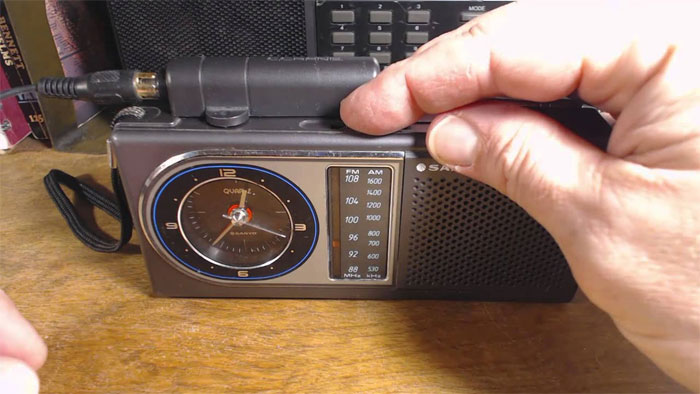
AM radio operates on amplitude modulation, which makes it inherently more susceptible to electromagnetic interference (EMI) than FM. Every electrical component in your vehicle—alternator, ignition system, LED lights, even your phone charger—can inject noise into the AM band. The good news: you don't need to be an electronics engineer to fix most reception problems.
Below, you'll find a complete breakdown covering cost expectations, situational advice, common myths, real-world fixes, required tools, ongoing maintenance, and expert tips that keep your AM reception strong for the long haul.
Contents
What It Costs to Fix AM Radio Reception
Before you start pulling apart your dashboard, it helps to know what you're likely to spend. Most AM reception fixes fall well under $100 for DIY approaches.
DIY Fix Costs
- Antenna mast replacement: $8–$25
- Antenna adapter/connector: $5–$15
- Ferrite choke filters (pack of 10): $8–$12
- Inline signal amplifier/booster: $15–$40
- Electrical contact cleaner: $6–$10
- Grounding strap or braid: $5–$15
- Noise suppression capacitor: $3–$8
Professional Installation Costs
| Service | Cost Range | Time |
|---|---|---|
| Antenna replacement (labor) | $40–$100 | 30–60 min |
| Full radio harness inspection | $75–$150 | 1–2 hours |
| EMI noise diagnosis | $50–$120 | 1 hour |
| Aftermarket amplifier install | $60–$130 | 45–90 min |
| Head unit replacement (with labor) | $150–$400+ | 1–3 hours |
Most drivers solve their AM reception issues for under $30 in parts. If you're comfortable with basic car electrical work—similar to fixing a cigarette lighter—you can handle the majority of these repairs yourself.
When to Troubleshoot vs. When to Replace
Not every AM reception problem warrants the same response. Here's how to decide your approach.
Signs You Should Troubleshoot First
- Static appears only at certain speeds or RPMs (points to alternator/ignition noise)
- Reception degraded gradually over months (corrosion or loose connections)
- One station works fine while others don't (not a hardware failure)
- Static increases when you turn on specific accessories (identifiable interference source)
- Your antenna mast is visibly bent or corroded
Signs You Need a Replacement
- Zero reception on all AM frequencies
- Antenna base is physically broken or water-damaged internally
- Head unit displays errors or won't power the antenna
- Vehicle is 15+ years old with original wiring showing brittleness
If your electrical system has a short circuit, fix that first—it's likely causing both your reception issues and other electrical gremlins.
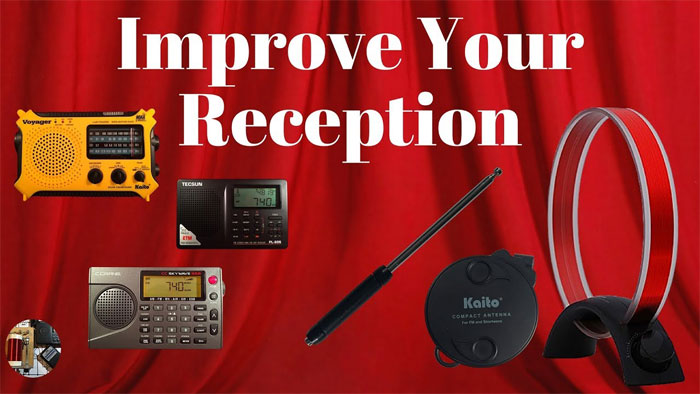
AM Radio Reception Myths Exposed
There's a lot of bad advice floating around about how to improve AM radio reception. Let's separate fact from fiction.
Common Misconceptions
- "A longer antenna always means better reception." Not true. AM antenna effectiveness depends on proper impedance matching, not just length. A poorly grounded 31-inch mast outperforms a 40-inch one with a bad connection.
- "Aluminum foil on the antenna boosts signal." This does nothing meaningful. It changes the antenna's electrical characteristics unpredictably and usually makes things worse.
- "AM is dead—just switch to FM or streaming." AM still carries emergency broadcasts, local news, sports, and talk radio that many drivers depend on daily. The FCC maintains thousands of active AM stations across the country.
- "Your cabin air filter affects radio signals." Some carbon-activated filters contain metallic particles, but their effect on AM reception is negligible. If you're due for a filter change, do it for air quality—check our guide on cabin air filter replacement intervals—but don't expect radio improvements.
- "Aftermarket head units always have worse AM reception." Quality units from reputable brands match or exceed OEM reception. The issue is usually improper antenna adapter use during installation.
Pro tip: If your AM reception dropped right after installing new LED headlights or accessories, those LEDs are almost certainly the interference source. Add ferrite chokes to their power leads before blaming the radio.
Real-World Fixes That Solved AM Static
These are actual scenarios from automotive shops and DIY forums where specific fixes resolved persistent AM reception problems.
Case Studies from the Shop
- 2018 Toyota Camry — buzzing at idle: The alternator's voltage regulator was producing harmonic noise on the AM band. A $7 noise suppression capacitor across the alternator output terminal eliminated it completely.
- 2015 Ford F-150 — gradual signal loss: The antenna base gasket had degraded, allowing water into the coaxial connection. Cleaning the connector with electrical contact cleaner and replacing the $3 rubber gasket restored full signal strength.
- 2020 Honda CR-V — static only while driving: Aftermarket LED daytime running lights were radiating EMI. Clipping two ferrite chokes ($2 each) onto the LED power cables solved it instantly.
- 2012 Chevy Silverado — complete AM dropout: Previous owner's aftermarket stereo install used the wrong antenna adapter. A $12 Metra adapter with proper impedance matching brought back all AM stations.
Notice the pattern: most fixes cost under $15 and take less than 30 minutes. The hard part is diagnosis, not repair.

Tools and Equipment You Need
You don't need a full shop to diagnose and fix AM reception issues. Here's what to have on hand.
Basic Diagnostic Toolkit
- Digital multimeter (for checking antenna continuity and ground connections)
- Electrical contact cleaner spray
- Ferrite choke clips (snap-on type, various sizes)
- Wire brush or fine sandpaper (for cleaning ground points)
- Panel removal tools (plastic pry set)
- Dielectric grease (for weather-sealing connections)
Advanced Equipment
- Oscilloscope: If you're serious about tracking down EMI sources, an oscilloscope lets you visualize the noise signature and trace it to the source component. Learn more in our guide on the importance of oscilloscopes for automotive diagnostics.
- AM signal generator: Injects a known signal to test your antenna system's end-to-end performance.
- SWR meter: Measures standing wave ratio to verify antenna impedance matching (ideal is 1.5:1 or lower for AM).
For most DIY fixes, the multimeter and contact cleaner are all you need. The advanced tools matter when you're chasing intermittent or complex multi-source interference.
Maintaining Strong AM Reception Long-Term
Once you've fixed your AM reception, keep it working with regular maintenance. This is especially important if you park outdoors or drive in harsh weather.
Routine Inspection Schedule
- Every 3 months: Visually inspect antenna mast for corrosion, bending, or damage
- Every 6 months: Check antenna base connection tightness; apply dielectric grease if exposed to elements
- Annually: Inspect all ground points on the chassis for corrosion; clean with wire brush and re-secure
- After any electrical work: Test AM reception immediately—new accessories are the #1 cause of sudden interference
Preventing Future Interference
- Always use ferrite chokes when installing aftermarket electronics (dash cams, LED lights, USB chargers)
- Route new wiring away from the antenna cable—maintain at least 12 inches of separation
- Use shielded cables for any power runs near the antenna path
- Keep your alternator and charging system in good condition—a failing voltage regulator radiates noise across the spectrum
- When replacing spark plugs, use resistor-type plugs (marked with an "R" in the part number) to suppress ignition noise. Our guide on high-performance spark plugs covers this in detail.
Think of AM reception maintenance like changing your air filter—it's a small effort that prevents bigger problems down the road.
Pro Tips for Maximum AM Signal Strength
These are the techniques experienced technicians use to squeeze every last bit of performance out of an AM antenna system.
In-Car Optimization
- Ground the antenna base directly to bare metal. Remove paint, primer, and rust at the mounting point. A star washer between the base and body panel cuts through any remaining coating.
- If your vehicle has a power antenna, listen for the motor fully extending the mast. A partially retracted antenna loses significant signal.
- Relocate your phone and USB charger to the opposite side of the vehicle from the antenna. Even in airplane mode, charging circuits emit EMI.
- Wrap the antenna coaxial cable with aluminum tape where it runs near ignition wiring or the heater blower motor.
- Check your 12V accessory outlets—a loose lighter socket can arc intermittently and blast noise across AM frequencies.
Home and Garage Listening
- Position your AM radio near a window facing the broadcast tower direction
- Use an external loop antenna—even a DIY version made from 20 feet of insulated wire wound in a 12-inch square dramatically improves reception
- Keep the radio away from computers, monitors, LED lighting, and switching power supplies
- A grounded external antenna run outside pulls in stations you'd never hear on the built-in ferrite bar
- Plug the radio into a filtered power strip or use a battery-powered unit to eliminate power line noise
Frequently Asked Questions
Why is my AM radio reception worse at night?
AM signals actually travel farther at night due to ionospheric skip, but this means distant stations interfere with local ones. Your radio picks up overlapping signals, creating static or fading. This is normal physics, not a fault in your equipment.
Do AM radio signal boosters actually work?
Yes, inline AM signal amplifiers work well when your issue is weak signal strength. They won't help if your problem is interference or noise—amplifying a noisy signal just gives you louder noise. Fix interference sources first, then add a booster if the signal is still weak.
Can a bad ground cause AM radio static?
Absolutely. A corroded or loose chassis ground is one of the most common causes of AM static in vehicles. The antenna system relies on the vehicle body as its ground plane. Clean the ground point to bare metal, use a star washer, and apply dielectric grease to prevent future corrosion.
Will upgrading my car antenna improve AM reception?
It depends on what's wrong. If your current antenna is physically damaged, corroded, or the wrong length, a quality replacement antenna with proper impedance matching improves reception significantly. If the issue is electrical interference, a new antenna won't solve it.
How do I know if my AM radio problem is the antenna or the head unit?
Disconnect the antenna cable from the back of the head unit. If you hear a change in the static (it gets quieter or changes character), the radio is receiving signal through the antenna and the head unit is likely fine. If the static stays identical, the head unit's AM tuner section may be faulty.
Does weather affect AM radio reception?
Yes. Thunderstorms produce massive AM interference—every lightning strike generates radio-frequency noise across the AM band. Heavy rain can also degrade connections at the antenna base if the seal is compromised. Humidity alone doesn't significantly affect signal propagation.
Clear AM reception comes down to three things: a solid ground, clean connections, and eliminating interference at the source—fix those, and the signal takes care of itself.


About Chris Lewis
Chris Lewis developed a deep knowledge of automotive filtration, maintenance, and repair through years of hands-on experience working on vehicles — a passion rooted in time spent in his father's San Francisco auto shop from an early age. He has practical familiarity with air, oil, fuel, and cabin filter systems across a wide range of vehicle makes and models, along with experience evaluating the tools and equipment that serious DIY mechanics rely on. At MicrogreenFilter, he covers automotive and motorcycle filter reviews, maintenance guides, and automotive tool recommendations.
Get FREE Filters now. Or latest free tools from our best collections.
Disable Ad block to get all the secrets. Once done, hit any button below