A neighbor of mine spent a full weekend doing a tune-up last fall — new air filter, fresh oil, cleaned injectors — and still couldn't shake the rough idle and sluggish highway pull. When he finally mentioned what spark plugs he was using, it turned out he'd grabbed the cheapest set at the auto parts store without a second thought. That one detail sparked a longer conversation about whether high performance spark plugs are worth it, and whether most drivers are leaving real gains on the table by defaulting to the budget option. If you've ever asked the same question, this guide — part of your broader car care routine — covers everything you need to make a confident call.
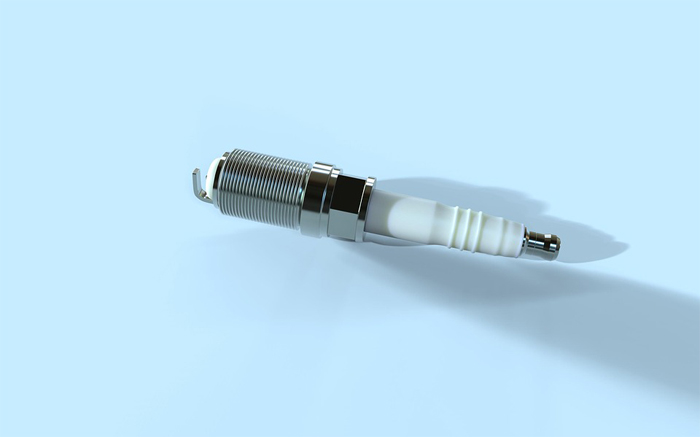
High performance spark plugs are marketed as an easy upgrade — sharper throttle response, cleaner idle, modest fuel economy gains, and a longer service life compared to standard copper plugs. The actual picture is more nuanced, and the right answer depends on your engine type, your driving profile, and what condition your current plugs are already in. A worn-out standard plug will absolutely benefit from any replacement, but the decision between copper, platinum, and iridium involves trade-offs that go deeper than price alone.
The materials and tip geometry of high performance plugs are genuinely different from budget options, and those differences produce measurable results under the right conditions. Understanding what you're actually buying — and when those properties translate into real-world improvements — helps you avoid both overspending on hardware you don't need and undershooting your engine's actual requirements.
Contents
What Spark Plugs Actually Do for Your Engine
The Ignition Basics
According to Wikipedia, a spark plug delivers an electrical discharge into the combustion chamber at precisely the right point in the engine's cycle, igniting the compressed air-fuel mixture and converting chemical energy into mechanical force. That moment of ignition — timed to within fractions of a degree of crankshaft rotation — determines how smoothly your engine runs, how efficiently it burns fuel, and how responsive it feels when you press the accelerator. A degraded plug that produces an inconsistent or weak spark can disrupt the entire combustion process, even when everything else in the fuel system is in excellent condition.
Spark plugs also serve a secondary thermal role, drawing heat away from the combustion chamber tip and conducting it into the cylinder head's cooling circuit. If you want to understand how the plug interacts with surrounding hardware, it helps to read about what cylinder heads actually do — the two components share a thermal relationship that directly affects plug longevity and overall engine efficiency.
Standard vs. High Performance: The Core Differences
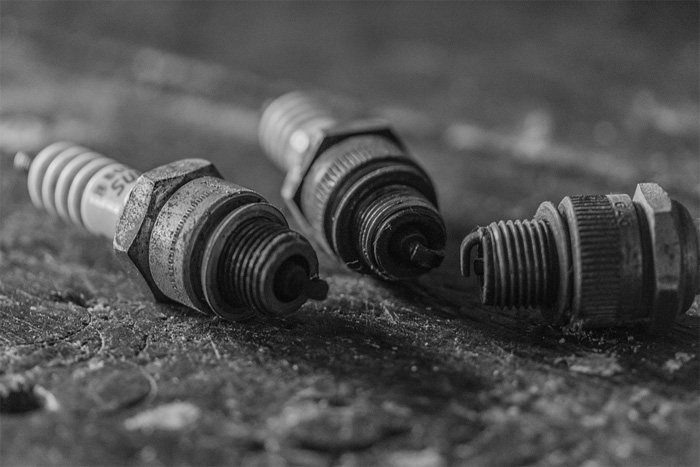
Standard copper plugs use a large center electrode that conducts electricity well and dissipates heat efficiently, but the wider tip wears down faster under the repeated electrical discharges of everyday driving. High performance plugs use finer electrode tips made from iridium or platinum, which concentrate the spark into a smaller contact area and sustain that precision over a much longer service life. The finer the tip, the less voltage is required to fire the plug, which reduces ignition system strain and produces a more complete combustion event with each cylinder cycle.
Pro insight: Always check your owner's manual before selecting a plug type — some modern turbocharged and direct-injection engines require a specific heat range and electrode specification that overrides any general upgrade logic.
Keeping Your Spark Plugs Performing at Their Best
Replacement Intervals to Follow
Replacement intervals vary significantly by plug type, and sticking to them is one of the most important maintenance habits you can build around your ignition system. Copper plugs typically need replacement every 20,000 to 30,000 miles, while single-platinum plugs extend that interval to around 60,000 miles. Iridium and double-platinum plugs are often rated for 80,000 to 120,000 miles, though your actual results will depend on engine temperature, fuel quality, and how aggressively you drive. Exceeding the recommended interval by a wide margin is one of the most common ways drivers unknowingly reduce their engine's efficiency without realizing the plugs are the source of the problem.
It's also worth noting that spark plug health is closely connected to overall fuel system condition. A clogged or degraded fuel filter can cause incomplete combustion that accelerates plug wear and fouling over time. If you're replacing plugs and want to address the full picture at once, reviewing how often to change your fuel filter is a logical next step in the same maintenance window.
Signs Your Plugs Are Failing
Worn spark plugs rarely announce themselves with a single dramatic failure. Instead, you tend to notice a gradual accumulation of symptoms that can be easy to dismiss individually or attribute to other causes:
- Rough idle or engine misfires at low speed, particularly when cold
- Slower acceleration or a noticeable lag when pulling from a full stop
- Reduced fuel economy that appears gradually across several fill-ups
- Hard starting, especially on cold mornings or after the car sits for several days
- A check engine light triggered by a misfire code in the P030X series
Any one of these symptoms on its own might have multiple causes, but if you're noticing two or three together and your plugs are past their service interval, replacement is the logical first step. For a more detailed look at what failing plugs look and act like, this guide on spark plug health and replacement signs goes deeper into reading the physical condition of a removed plug.
Tools You Need for a Spark Plug Swap
Essential Tools for the Job
A DIY spark plug replacement doesn't require a large tool investment, but having the right equipment makes the job faster, cleaner, and far less likely to result in cross-threaded or cracked plugs. Here's what you'll want on hand before you start:
- Spark plug socket — typically 5/8" or 13/16", with a rubber insert to hold the plug and protect the ceramic insulator during removal
- Ratchet and extension bar — a 6" to 12" extension helps reach plugs buried beneath intake manifolds or coil packs
- Torque wrench — essential for tightening to specification without over-torquing the threads in the head
- Gap tool or feeler gauge — needed even for "pre-gapped" plugs, since factory settings may not match your engine's specification exactly
- Anti-seize compound — a small amount on the threads prevents future seizure, though some manufacturers advise against it on certain iridium plug designs
- Dielectric grease — applied lightly to the inside of the boot connection to prevent moisture intrusion at the coil contact
Optional but Helpful Additions
If you're working on an engine with tight access or a coil-on-plug configuration, a swivel socket adapter and magnetic extension will save you a significant amount of frustration trying to maneuver plugs in confined spaces. A can of compressed air to blow debris out of the plug wells before removal is also worth keeping nearby — dropping foreign material into a cylinder while the plug is out is a repair scenario you want to avoid entirely, since it can cause cylinder wall scoring on the first startup after reassembly.
Warning: Never attempt to remove spark plugs from an aluminum head while the engine is still hot — thermal expansion increases the risk of thread galling dramatically, and aluminum threads are far less forgiving than cast iron once damaged.
Common Mistakes That Undermine Your Upgrade
Wrong Gap Settings
Many high performance plugs are sold pre-gapped to a common specification, but that default gap may not match your engine's actual requirements. Using an incorrect electrode gap is one of the most overlooked causes of post-installation misfires, and it's particularly problematic with iridium plugs, whose fine tips can be permanently damaged by aggressive adjustment. Always cross-reference the gap specification in your owner's manual or OEM data sheet against what the plug is set to from the box, and adjust carefully using a wire-type feeler gauge rather than a flat blade gauge that risks deforming the fine electrode tip.
Over-Torquing and Thread Damage
Spark plug threads are small, and both aluminum and cast iron cylinder heads can sustain real damage if you rely on feel rather than a torque wrench for final tightening. Under-torquing creates a heat transfer problem — the plug doesn't seat fully against the head and runs hotter than it should, which accelerates electrode wear and can lead to pre-ignition under load. Over-torquing stretches or strips the threads entirely, turning a straightforward maintenance job into a costly head repair. Most passenger vehicle applications call for between 13 and 27 ft-lbs of torque, but always verify against your specific plug and engine combination before tightening.
Practical Tips for Getting the Most from Your Spark Plugs
Matching Plugs to Your Engine
The best performance plug isn't necessarily the most expensive one — it's the one that matches your engine's design intent and operating conditions most closely. Turbocharged and supercharged engines run hotter and under higher cylinder pressure, which generally calls for iridium plugs with a cooler heat range to prevent pre-ignition. Naturally aspirated engines used primarily for daily commuting may see little measurable difference between a quality platinum plug and a top-tier iridium option, especially if you're comparing fresh plugs of either type. For engines that have been modified beyond stock configuration, heat range selection becomes especially important, since increased compression ratios and camshaft changes alter how much heat the plug needs to dissipate during each combustion cycle.
When the Upgrade Actually Pays Off
Upgrading to high performance plugs tends to produce the most noticeable results in a few specific scenarios rather than across the board:
- Your current plugs are already worn and you're replacing them regardless of type
- Your vehicle originally shipped with iridium or platinum plugs and you're considering downgrading to save money at the next service
- You've added a performance modification that increases cylinder pressure or heat, such as a cold-air intake or boost controller
- You do a high proportion of short-trip city driving, which accelerates electrode fouling from incomplete combustion cycles
- Your engine shows mild misfires or hesitation that cleaner, more consistent combustion might address before other causes are ruled out
Tip: If your vehicle already specifies iridium plugs from the factory, installing cheaper copper substitutes to save money will almost always result in worse performance and more frequent replacements — the long-term cost rarely works in your favor.
Are High Performance Spark Plugs Worth It? A Cost Breakdown
Price Ranges Across Plug Types
Plug pricing varies significantly by type, brand, and vehicle application. Here's a general breakdown of what you can expect to pay per plug for common passenger vehicle fitments, along with what each type offers in return:
| Plug Type | Cost Per Plug | Service Life | Best For |
|---|---|---|---|
| Copper | $2 – $5 | 20,000–30,000 mi | Older engines, budget maintenance intervals |
| Single Platinum | $6 – $12 | 60,000 mi | Most modern naturally aspirated engines |
| Double Platinum | $10 – $16 | 90,000–100,000 mi | Waste-spark distributor ignition systems |
| Iridium | $15 – $30 | 80,000–120,000 mi | Turbocharged engines, modern direct injection |
A typical four-cylinder engine uses four plugs, and a V8 uses eight. At those quantities, the total cost difference between a full copper set and a full iridium set on a V8 can range from roughly $16 to $240 — a wide gap, but one that narrows considerably when you factor in service intervals and the labor cost of more frequent replacements, especially if you're paying a shop rather than doing the work yourself.
Where to Find the Best Value
For most daily drivers, the sweet spot tends to be iridium plugs when your vehicle already specifies them, or single-platinum when it doesn't. Buying in complete sets rather than individual plugs often lowers the per-unit cost at most auto parts retailers, and OEM-specified brands like NGK, Denso, and Bosch are generally priced competitively while meeting exact factory tolerances for your specific engine. Avoiding obscure off-brand plugs that claim extreme performance at budget prices is a reasonable precaution, since electrode geometry and heat range consistency are difficult to verify from packaging alone and inconsistencies across a set can produce uneven cylinder performance.

Frequently Asked Questions
Do high performance spark plugs actually improve fuel economy?
They can, but the improvement is typically modest — often in the 1 to 3 percent range under normal driving conditions. The biggest gains tend to come when you're replacing genuinely worn plugs rather than swapping fresh copper for fresh iridium. If your current plugs are already in good condition, the fuel economy difference between types may not be perceptible in everyday driving.
Can I install high performance spark plugs myself?
Yes, spark plug replacement is one of the more accessible DIY maintenance tasks for most vehicles. You'll need a spark plug socket, torque wrench, and gap tool at minimum. The main risks are cross-threading and over-torquing, both of which are straightforward to avoid by working methodically, using the right tools, and following the manufacturer's torque specification precisely.
Will high performance spark plugs fit my car if it originally came with copper plugs?
In most cases, yes — iridium and platinum plugs are manufactured in the same thread size, reach, and heat range as standard copper plugs for a wide range of vehicles. Always verify the plug part number against your vehicle's specifications before purchasing, and check the gap setting after the fact since the pre-set factory gap may not match your engine's requirement exactly.
How do I know when my spark plugs need replacing?
Common signs include rough idle, sluggish acceleration, increased fuel consumption, difficulty starting, and a check engine light triggered by a cylinder misfire code. If your plugs are past their recommended service interval even without obvious symptoms, replacement is worth considering as preventive maintenance, since worn plugs can gradually stress ignition coils and fuel injectors over time.
Is iridium always better than platinum?
Not necessarily. Iridium's advantages are most apparent in high-load, high-temperature applications like turbocharged engines or vehicles with aggressive ignition timing curves. For a mild naturally aspirated engine used mostly for daily commuting, the real-world difference between a quality platinum plug and an iridium one is often negligible in practice. Your owner's manual remains the most reliable guide for which type is actually recommended for your specific engine design.
What happens if I mix different spark plug types in the same engine?
Mixing plug types — for example, running iridium in three cylinders and copper in the remaining ones — can create inconsistent combustion across the engine, leading to rough idle, vibration under load, and uneven power delivery. Always replace the full set with identical plugs to ensure balanced ignition timing and uniform cylinder-to-cylinder performance throughout the service interval.
The right spark plug is the one your engine was designed for — and replacing it on schedule will always matter more than any premium upgrade ever could.


About Chris Lewis
Chris Lewis developed a deep knowledge of automotive filtration, maintenance, and repair through years of hands-on experience working on vehicles — a passion rooted in time spent in his father's San Francisco auto shop from an early age. He has practical familiarity with air, oil, fuel, and cabin filter systems across a wide range of vehicle makes and models, along with experience evaluating the tools and equipment that serious DIY mechanics rely on. At MicrogreenFilter, he covers automotive and motorcycle filter reviews, maintenance guides, and automotive tool recommendations.
Get FREE Filters now. Or latest free tools from our best collections.
Disable Ad block to get all the secrets. Once done, hit any button below