Have you ever popped the hood and wondered what's actually happening inside that metal block when your engine fires up? If you've started digging into car care fundamentals, you've probably come across the term "cylinder head" — but what are cylinder heads, really, and why do they matter so much? The answer is simpler than most people expect, and understanding it can save you from a repair bill that runs into the thousands. Cylinder heads seal the top of your engine's combustion chambers, manage airflow in and out, house the valves and spark plugs, and help keep operating temperatures in check. They're not just a lid on your engine. They're a system.
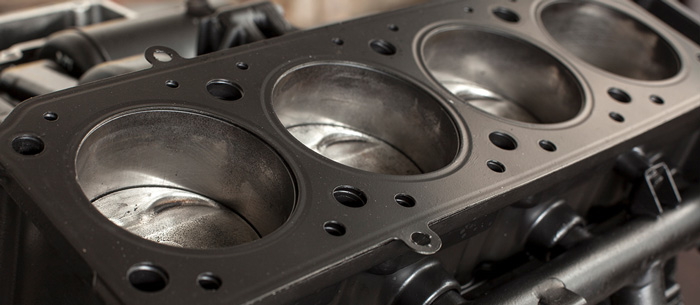
A failing cylinder head doesn't give you a polite warning. It leaks coolant into your oil, causes your engine to overheat, triggers misfires, or bleeds compression until the car won't start. The good news is that most cylinder head problems are either preventable or catchable early — if you know what to look for.
This guide walks you through the essentials: how cylinder heads work, what they're built from, how to inspect and maintain them, and how to judge when a problem is within your skill level versus when you need a machine shop.
Contents
- What Are Cylinder Heads: The Core Basics
- Cast Iron or Aluminum: Understanding Your Options
- How to Inspect Your Cylinder Heads Step by Step
- Keeping Your Cylinder Heads in Good Shape
- Mistakes That Can Damage Your Cylinder Heads
- When to Rebuild and When to Replace
- What You Can Handle vs. When to Call a Pro
- Frequently Asked Questions
What Are Cylinder Heads: The Core Basics
A cylinder head is a cast metal component that bolts directly onto the top of your engine block. It seals each cylinder from above, forming the upper boundary of the combustion chamber — the space where fuel and air are compressed and ignited thousands of times per minute. Without a properly functioning head, combustion can't happen efficiently, and the entire engine suffers for it.
According to Wikipedia's overview of cylinder heads, these components contain a network of intake and exhaust ports, coolant passages, and oil channels — all integrated into a single casting. That level of complexity is a big reason why cylinder head repairs are expensive. You're not fixing one isolated part. You're dealing with an interconnected system where one compromised element affects several others.
Most passenger vehicles have one cylinder head per bank. A four-cylinder engine has one head. A V6 or V8 has two — one per side. Each manages the same responsibilities: directing airflow in and out of the combustion chambers while keeping everything sealed under enormous heat and pressure, cycle after cycle.
Key Components Housed in the Head
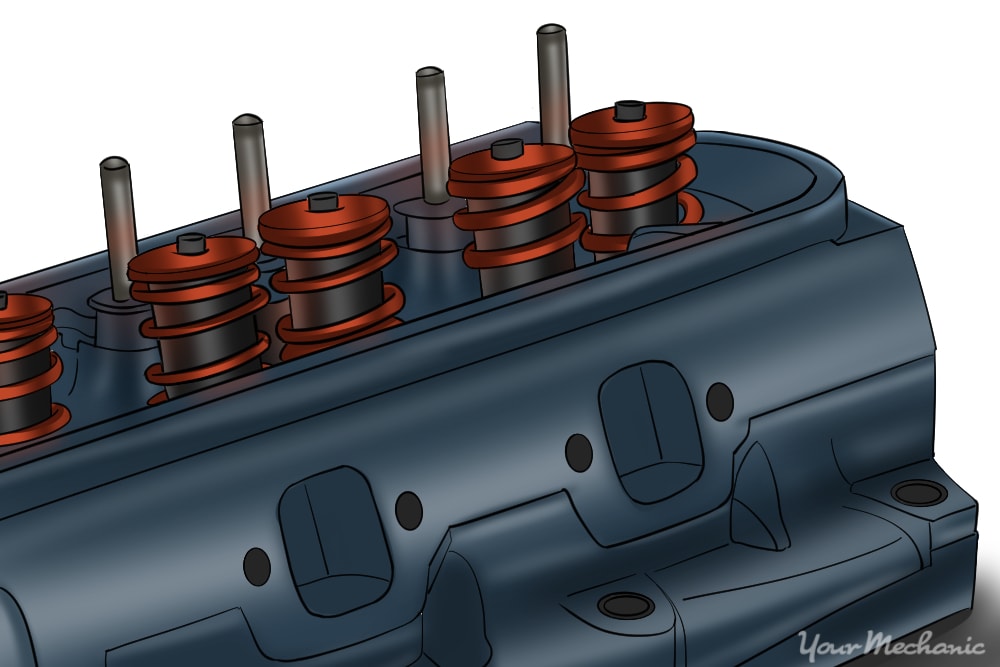
The cylinder head is far from a simple metal cap. It houses several critical components that directly shape engine performance. The camshaft drives the intake and exhaust valves open and closed with precise timing relative to piston movement. The spark plugs thread directly into the head and fire the compressed air-fuel mixture at exactly the right moment. When either of these systems falls out of sync, you feel it immediately — rough idle, misfires, or lost power.
| Component | Location in Head | Primary Function |
|---|---|---|
| Intake valves | Intake port openings | Allow air-fuel mixture into the cylinder |
| Exhaust valves | Exhaust port openings | Release burned gases from the cylinder |
| Spark plugs | Center of combustion chamber | Ignite the compressed air-fuel mixture |
| Valve guides | Around each valve stem | Keep valves aligned during operation |
| Valve seats | Port openings | Create a seal when valves are closed |
| Coolant passages | Throughout the casting | Carry coolant to regulate temperature |
| Oil galleries | Throughout the casting | Lubricate valve stems and camshaft journals |
| Head gasket surface | Underside of the head | Seal against the engine block under torque |
Cast Iron or Aluminum: Understanding Your Options
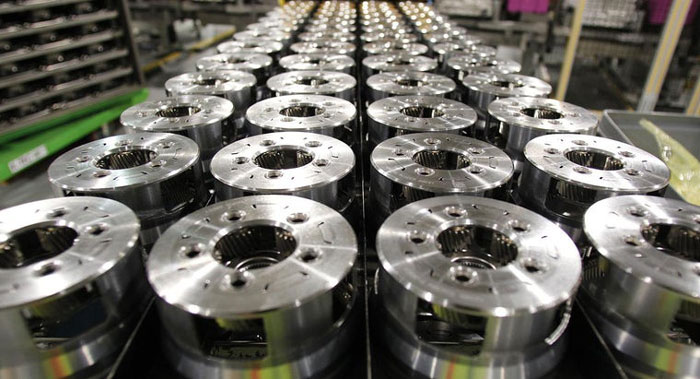
When someone asks what are cylinder heads made of, the answer depends on the engine. Most modern engines use aluminum heads because they're lighter and shed heat faster, both of which help fuel efficiency. Older engines — and most diesel and heavy-duty applications — still use cast iron. Each material works well in the right context. They just behave very differently under stress.
For a full technical breakdown, our dedicated article on cast iron vs. aluminum cylinder heads covers every practical difference. The short version: aluminum heads run cooler and weigh significantly less, which reduces stress on engine mounts and improves thermal efficiency. Cast iron heads are better at resisting warp damage under sustained high heat — a meaningful advantage in towing applications, high-compression builds, or engines that run hard for long periods.
How the Two Materials Compare
Aluminum's main vulnerability is warping. When an aluminum head overheats, the mating surface — the flat face that presses against the engine block — can distort. Even a small amount of warping breaks the head gasket seal, which opens the door to coolant entering the combustion chamber, white exhaust smoke, and eventually hydrolock if coolant pools above the pistons. Cast iron handles thermal stress more gracefully, but it's heavier and can develop cracks under certain cold-start or thermal shock conditions.
Unless you're doing a purpose-built performance modification, replacing with the same material your engine was designed for is almost always the right call. The factory engineers matched the head material to the cooling system, block material, and intended operating range.
Pro tip: Aluminum heads require re-torquing the head bolts after the engine reaches full operating temperature for the first time post-installation — skip this step and you're risking a blown head gasket within the first few hundred miles.
How to Inspect Your Cylinder Heads Step by Step
Catching cylinder head problems early is entirely possible without a machine shop or expensive diagnostic equipment. What it requires is knowing what you're looking for and checking consistently — ideally every time you do a major service. The warning signs are almost always there. Most drivers just don't know how to read them.
What to Have on Hand
Before you start, gather a flashlight, a clean rag, coolant test strips, and a basic socket set. If you need to get under the vehicle for any reason, stable support is non-negotiable — a look at bottle jacks vs. floor jacks can help you choose the right tool for safe engine-area work.
Start with the oil dipstick and the underside of your oil filler cap. Milky, frothy, or caramel-colored oil is one of the clearest indicators that coolant is mixing with engine oil — a near-certain sign of head gasket failure, which often stems from a warped or cracked head. Then check your coolant reservoir. If the level keeps dropping with no visible external leak, coolant is likely burning inside the combustion chamber and exiting as white exhaust vapor.
With the engine completely cold, remove the oil filler cap and look for white or grayish residue on the inside surface of the valve cover opening. A small amount of moisture condensation is normal in cold climates. Heavy buildup points to a compromised seal. If you're already seeing two or more of these symptoms together, it's time to either pull the head for a physical inspection or have a shop perform a combustion gas block test — a quick procedure that confirms whether exhaust gases are entering the cooling system.
Keeping Your Cylinder Heads in Good Shape
The vast majority of cylinder head failures are preventable. The biggest driver of premature damage isn't dramatic — it's deferred maintenance. Old coolant. Low oil. Ignored temperature warnings. These are the everyday habits that shorten the lifespan of an otherwise durable component.
Coolant and Oil: Your First Line of Defense
Your cooling system exists largely to protect the cylinder heads. As coolant ages, it turns acidic and begins corroding the casting from the inside out — eating away at aluminum or depositing rust inside cast iron passages. Flush and replace your coolant on schedule, typically every two to five years depending on the coolant type. And always use the correct formulation for your vehicle. Mixing incompatible coolants triggers chemical reactions that form gel-like deposits, which can block the narrow passages running through the head and cause localized hot spots.
Oil handles the other half of the protective equation. Fresh, clean oil lubricates the valve stems, guides, and camshaft journals housed inside the head. When oil degrades or runs low, metal-on-metal wear accelerates in places you can't easily see or inspect. If you're uncertain about oil specifications across different engine types, our article on car oil vs. motorcycle oil explains how engine design affects the right lubrication choice.
Pay attention to your valve cover gasket as well. A slow seep there lets oil escape onto hot exhaust components and can allow contaminants to work their way into the valvetrain. It's a relatively inexpensive fix when caught early and a far more expensive problem when ignored. In the same way, staying current on your fuel filter service intervals helps ensure cleaner combustion, which reduces the carbon deposits that accumulate on intake ports and contribute to uneven heat distribution across the head surface over time.
Mistakes That Can Damage Your Cylinder Heads
Some cylinder head failures genuinely come out of nowhere. Most, though, trace back to specific, avoidable errors. If you've ever heard someone describe a blown head gasket that turned into a complete engine replacement, the chain of events almost always starts with one of the following.
Overheating: The Most Common Culprit
Driving through an overheating event — even for a few extra minutes — is one of the fastest ways to warp an aluminum cylinder head permanently. The gauge climbs into the red, and the instinct is to push through to the next exit. That instinct is costly. Pull over and shut the engine off the moment you see the temperature spike. The tow truck bill is a fraction of what a warped head will cost you.
Beyond overheating, three other mistakes show up repeatedly in cylinder head failures:
- Wrong head bolt torque — over-torquing or under-torquing the fasteners creates uneven clamping force across the mating surface, leading to head gasket failure and eventually a warped or cracked head. Always follow the factory torque spec and sequence precisely.
- Reusing torque-to-yield bolts — many modern engines use TTY head bolts that stretch permanently during initial installation. Reusing them means they can't achieve the same clamping force on the second install, which causes the gasket to fail again sooner than expected.
- Ignoring small coolant leaks — an external drip might seem manageable, but gradual coolant loss eventually pushes the engine into overheating territory, which loops directly back to warp damage.
When to Rebuild and When to Replace
Once a cylinder head fails, you're looking at two realistic paths: have it rebuilt by a machine shop, or replace it entirely. Neither option is automatically correct. The right answer depends on the extent of the damage, the age and market value of your vehicle, and what parts and labor cost in your region.
Signs That Point to Each Option
Rebuilding makes sense when the crack is in a repairable location, when valve seats or guides are worn but the casting is otherwise sound, or when a matching replacement head is difficult to source or expensive. A competent machine shop can resurface the mating face, replace valve seats, install new guides, and bring the head back to factory specifications — often at a lower cost than a new or remanufactured unit for older or less common engines.
Replacement makes more sense when the head is warped beyond the resurfacing limit, when internal coolant passages are corroded through, or when the rebuild estimate approaches the cost of a quality remanufactured unit with a warranty. For newer vehicles with high resale value, a remanufactured head backed by a warranty is frequently the smarter financial decision even if the rebuild quote comes in slightly lower.
One thing is certain regardless of which path you choose: delaying the decision costs more than making it. Coolant entering the cylinders from an unresolved head failure can cause hydrolock — catastrophic engine damage that frequently totals the vehicle entirely.
What You Can Handle vs. When to Call a Pro
Understanding cylinder heads puts you in a genuinely better position — even if you never plan to turn a wrench yourself. The real value of this knowledge is knowing what questions to ask, recognizing credible advice from overselling, and making informed decisions under pressure at the shop.
Knowing Your Limits
A handful of cylinder head tasks fall comfortably within reach for a capable home mechanic. Inspecting for external oil seepage, testing coolant condition with strips, monitoring the early warning signs of internal failure — these require no special tools and no disassembly. Replacing a valve cover gasket is also straightforward on most engines, particularly inline four-cylinders where access is relatively easy.
Head removal, surface inspection, and any valve work are a different category of job entirely. These require a quality torque wrench (non-negotiable), a factory service manual for your specific engine, a clean workspace, and access to a machine shop for the actual resurfacing. Assuming the old mating surface is flat enough to reuse is one of the most common reasons a freshly installed head gasket fails again within a few thousand miles — the surface looks fine to the naked eye but has a warp of just a few thousandths of an inch, which is enough.
If you're uncertain about any step in the process, the cost of a qualified mechanic is predictable. The cost of a second failure — another blown gasket, coolant in the oil again, potential cylinder wall damage from hydrolock — is not.
Frequently Asked Questions
What are cylinder heads and why are they important?
Cylinder heads are cast metal components that bolt to the top of your engine block, sealing the combustion chambers and housing the valves, spark plugs, coolant passages, and oil galleries. They're essential to engine function because they control airflow, maintain compression, and help regulate operating temperature. A damaged cylinder head can cause overheating, compression loss, and coolant contamination of the oil — all of which can lead to total engine failure if left unaddressed.
How do I know if my cylinder head is damaged?
The most telling signs are milky or frothy oil on the dipstick or filler cap, white exhaust smoke, a persistent drop in coolant level without any visible external leak, and rough idle or misfires that don't resolve with a tune-up. A block tester — a simple tool that detects combustion gases in the coolant — can confirm head gasket or head failure without pulling the engine apart.
Can a cracked cylinder head be repaired?
In many cases, yes. Small cracks in structurally sound locations away from major coolant and oil passages can be welded or pinned by a qualified machine shop. The viability depends on the crack's size, depth, and position. A machine shop inspection is the only reliable way to know whether repair is worthwhile or whether replacement is the better call.
How long do cylinder heads typically last?
A properly maintained cylinder head can last the full service life of the engine — often well over 150,000 miles. The most common cause of early failure is overheating, which can permanently warp an aluminum head in a single event. Regular coolant flushes, consistent oil changes, and prompt attention to temperature warnings are the most effective ways to protect cylinder head longevity.
Cylinder heads don't fail without warning — they fail because the warnings were ignored.


About Chris Lewis
Chris Lewis developed a deep knowledge of automotive filtration, maintenance, and repair through years of hands-on experience working on vehicles — a passion rooted in time spent in his father's San Francisco auto shop from an early age. He has practical familiarity with air, oil, fuel, and cabin filter systems across a wide range of vehicle makes and models, along with experience evaluating the tools and equipment that serious DIY mechanics rely on. At MicrogreenFilter, he covers automotive and motorcycle filter reviews, maintenance guides, and automotive tool recommendations.
Get FREE Filters now. Or latest free tools from our best collections.
Disable Ad block to get all the secrets. Once done, hit any button below