When comparing cast iron vs aluminum cylinder heads, here's the direct answer: aluminum heads are better for performance and weight savings, while cast iron heads offer superior durability in neglected or high-heat conditions. The right choice comes down to your engine, your budget, and how you maintain your vehicle. Getting this decision right is one of the more impactful parts of any serious car care project.
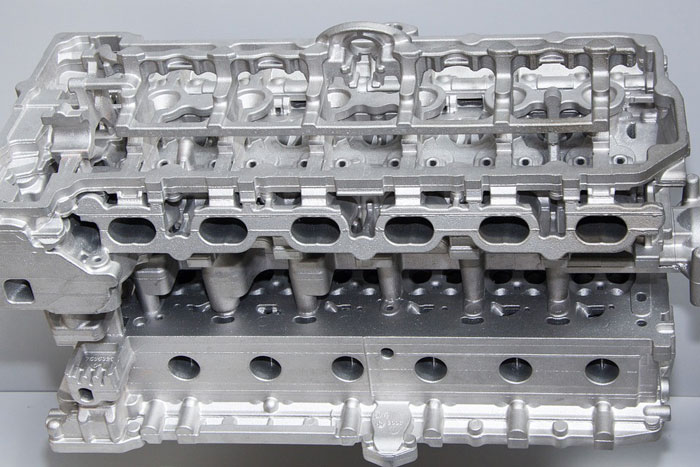
Cylinder heads sit on top of the engine block, sealing the combustion chamber and housing the valves, spark plugs, and coolant passages. They're among the most critical components in your entire drivetrain. The material they're made from directly affects heat dissipation, weight distribution, compression potential, and how the engine behaves under sustained stress. Understanding the differences before you buy or rebuild saves you from expensive surprises down the road.
This guide walks through both materials without the engineering jargon. You'll come away with a clear picture of what each option offers, where each one falls short, and what you should actually do next.
Contents
- Setting the Record Straight: Common Misconceptions About Cylinder Head Materials
- Cast Iron vs Aluminum Cylinder Heads: Strengths and Weaknesses Compared
- What You Need Before Working on Cylinder Heads
- Mistakes That Cost You Time and Money
- What You'll Actually Pay: A Realistic Cost Breakdown
- Frequently Asked Questions
- Next Steps
Setting the Record Straight: Common Misconceptions About Cylinder Head Materials
Myth 1: Cast Iron Is Always Inferior
A lot of people assume that because aluminum is lighter and more common in modern engines, cast iron must be obsolete. That's simply not true. Cast iron has been used in engine manufacturing for well over a century, and it's still the material of choice for many heavy-duty diesel engines, commercial trucks, and industrial applications where long-term durability under sustained load matters far more than weight savings.
Cast iron heads can actually outlast aluminum heads when a cooling system is neglected or the engine runs hot consistently. Aluminum is more sensitive to overheating. A cast iron head that's been warped by heat is often more forgiving — and cheaper to resurface — than an aluminum one in the same situation. If your vehicle has an older cooling system or you're building a low-maintenance workhorse, don't dismiss cast iron out of hand.
Myth 2: Aluminum Always Improves Performance on Its Own
Aluminum does transfer heat away from the combustion chamber faster, and that's a genuine advantage. But fitting aluminum heads to an older engine without adjusting compression ratio, valve timing, or fuel delivery won't magically unlock horsepower. The gains come from the complete package — head flow, combustion chamber design, compression, and cam profile all need to work together. The material is one piece of a larger puzzle.
Understanding how related engine components interact is key here. For a clear look at how valvetrain geometry affects engine behavior alongside cylinder head selection, the guide on what a camshaft is and how it works is worth reading before you commit to a head swap or rebuild strategy.
Myth 3: You Can Swap Head Materials Without Changing Anything Else
This one catches a lot of DIYers off guard. Moving from cast iron to aluminum heads — or the other direction — typically requires a different head gasket, revised torque specs, and sometimes intake manifold modifications. Port sizes and bolt patterns can vary even between engines from the same manufacturer across different model years. Always cross-reference compatibility with your specific engine code before ordering parts.
Cast Iron vs Aluminum Cylinder Heads: Strengths and Weaknesses Compared
The Case for Cast Iron
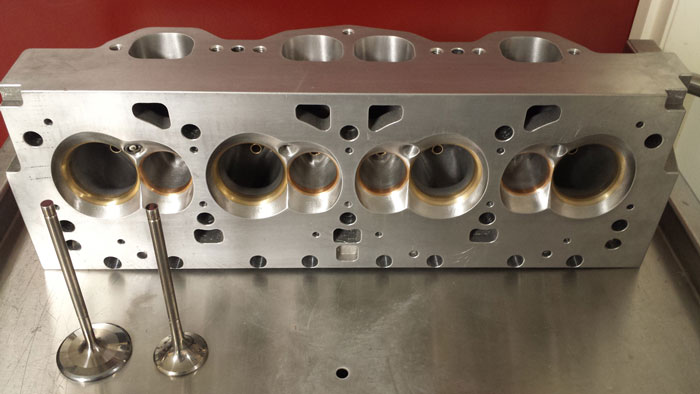
Cast iron is dense, rigid, and hard-wearing in a way that's difficult for aluminum to match in demanding conditions. It handles repeated heating and cooling cycles without distorting as readily, which is a significant reason it remains standard in diesel and commercial applications. Cast iron is also more tolerant of degraded coolant. If you're not meticulous about flushing your cooling system on schedule, cast iron gives you more margin before corrosion becomes a problem.
The downsides are real, though. Cast iron heads are heavy — significantly heavier than aluminum equivalents. For a performance build or any application where the power-to-weight ratio matters, that extra mass works against you. Cast iron also takes longer to reach operating temperature, which means a slightly extended warm-up period and a longer window of elevated wear on cold starts.
The Case for Aluminum
Aluminum heads weigh roughly one-third as much as cast iron. That reduction in mass improves handling balance, reduces stress on engine mounts, and lowers the vehicle's center of gravity slightly. Aluminum also conducts heat away from the combustion chamber significantly faster, which allows engineers to run higher compression ratios without triggering knock — and higher compression is a direct path to more power without increasing displacement.
Aluminum heads are now standard on virtually every modern gasoline passenger vehicle, and the engineering behind them has matured considerably. Alloy formulations and casting techniques have advanced to where durability concerns that were valid decades ago are largely addressed at the factory level. With a functioning cooling system and the correct head gasket, aluminum heads are both reliable and efficient for the vast majority of drivers.
Side-by-Side Comparison
| Feature | Cast Iron | Aluminum |
|---|---|---|
| Weight | Heavy (roughly 3x heavier) | Lightweight |
| Heat Dissipation | Slow | Fast |
| Durability Under Overheating | More forgiving, warps less easily | Warps more easily at lower temps |
| Compression Potential | Lower ceiling | Higher ceiling |
| Corrosion Resistance | More tolerant of degraded coolant | Requires correct coolant chemistry |
| Common Applications | Diesel, trucks, classic cars | Modern gas engines, performance builds |
| Machinability | Harder to machine, more material removal allowed | Easier to machine, tighter tolerances required |
| Typical Cost (new) | Generally lower | Generally higher |
What You Need Before Working on Cylinder Heads
Diagnostic and Inspection Tools
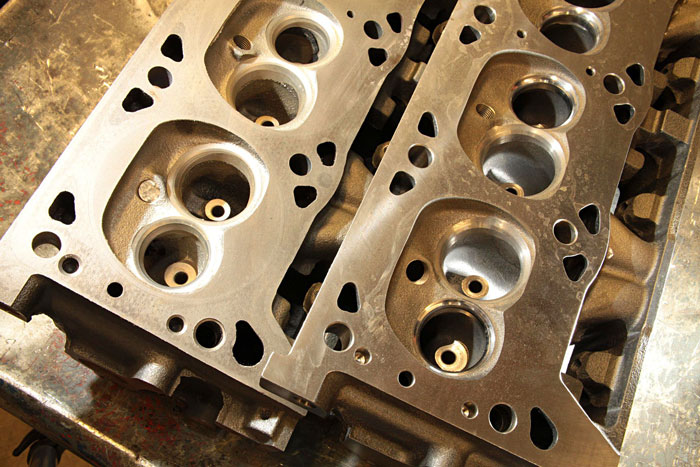
Before pulling a cylinder head, confirm it's actually the source of your problem. A compression test and a leak-down test are your starting points. These tell you whether you're dealing with a head gasket failure, a warped seating surface, a cracked casting, or burned valves. Replacing the head on a hunch without running these tests first is an expensive way to learn a lesson.
A precision straight edge and feeler gauge let you check surface flatness directly. Any warpage beyond the manufacturer's tolerance — typically around 0.002 to 0.004 inches — means the head needs professional resurfacing or outright replacement. Aluminum warps more readily and shows measurable distortion at lower temperature thresholds than cast iron, so this check is especially important if the engine has overheated even once.
Installation Tools and Torque Requirements
Cylinder head bolts must be torqued to specification in a precise sequence, and this is an area where cast iron and aluminum diverge sharply. Aluminum expands more with heat, so torque specs are often lower, and many aluminum-head applications use torque-to-yield (TTY) bolts that stretch during installation and must be replaced every time the head is pulled. Never reuse TTY bolts — this is a safety issue that can lead to head gasket failure or worse.
You'll need a calibrated torque wrench in the correct range, an angle gauge for multi-stage tightening sequences, and a proper head bolt socket set. It's also worth noting that spark plug condition gives you valuable clues about combustion health before and after any cylinder head work — always inspect them carefully when the head is off the engine.
Resurfacing and Machine Shop Considerations
Aluminum heads are softer and easier to machine, which generally makes resurfacing less expensive at the shop level. However, aluminum requires tighter tolerances — removing too much material raises the compression ratio beyond design spec. Cast iron resurfacing is more forgiving in terms of how much material can be safely removed, but it's harder on tooling and often costs slightly more per hour of machine time. Either way, if the head has been overheated, have it magnafluxed (cast iron) or pressure-tested (aluminum) before assuming it can be salvaged. A crack that isn't visible to the naked eye will cause immediate failure once the engine is back under pressure.
Mistakes That Cost You Time and Money
Using the Wrong Head Gasket
The head gasket must be matched to the head material and the specific engine, not just the vehicle year. Multi-layer steel (MLS) gaskets are the current standard for aluminum heads because they accommodate the different thermal expansion rates between aluminum heads and iron blocks. Older composite gaskets were designed for cast iron on cast iron combinations. Fitting the wrong gasket type almost guarantees a repeat failure, usually within a short number of heat cycles.
Ignoring Coolant Chemistry
Aluminum is chemically reactive. Running old, degraded coolant — particularly coolant that has gone acidic over time — will corrode aluminum heads from the inside out. Cast iron is more tolerant of poor coolant condition, though it will eventually corrode and rust as well. Use the coolant type specified for your engine: silicate-based, OAT, or HOAT formulas are not interchangeable. Flush on the manufacturer's schedule. This single maintenance habit prevents more premature head failures than almost any other practice.
Skipping the Valve Job
If you're pulling the head for any reason at all, have the valve seats inspected while it's off the engine. Aluminum heads use hardened valve seat inserts — without them, lead-free gasoline would erode the soft aluminum material directly. Some older aluminum heads from earlier production eras lacked these inserts entirely. If you're working on a vintage engine with aluminum heads, confirm the valve seats are properly hardened before running modern unleaded fuel through it.
Over-Torquing on Reassembly
The instinct to make sure everything is "tight enough" is understandable, but over-torquing head bolts on aluminum strips threads or cracks the casting. Follow the service manual sequence and specification exactly, in the correct order. If the procedure calls for angular torque after initial tightening — which is common on modern engines — use an angle gauge rather than estimating by feel. Aluminum does not give you much warning before it fails.
What You'll Actually Pay: A Realistic Cost Breakdown
New vs. Remanufactured Heads
New OEM cylinder heads represent the highest upfront cost. For a typical V6 or V8 engine, a single new OEM aluminum head commonly runs between $300 and $800 or more depending on the manufacturer and engine family. Cast iron heads for trucks and diesel applications typically fall in the $200 to $500 range new. Remanufactured heads — cleaned, pressure-tested, fitted with new valve seats and guides, and resurfaced — cost roughly 30 to 50 percent less than new OEM parts and are a solid choice for most street-driven vehicles that don't see track use.
Aftermarket Performance Heads
Performance aluminum heads from established manufacturers can range from $600 to well over $1,500 per head. These are built for modified engines running higher compression, larger camshafts, and increased airflow. You're paying for CNC-ported combustion chambers, larger valves, optimized runner geometry, and tighter manufacturing tolerances. For a stock replacement on a daily driver, performance heads are overkill. For a dedicated performance build, they can provide meaningful gains that factory heads simply can't match.
Labor and Machine Work
Labor to remove and replace a cylinder head at an independent shop typically runs $500 to $1,200 depending on engine complexity and vehicle layout. Add resurfacing ($50 to $150 per head), a valve job ($150 to $400), and a new head gasket set ($50 to $200), and a complete, properly executed job realistically costs $800 to $2,000 or more. Cutting corners on machine work leads to repeat failures — if the head has been overheated, resurfacing is not optional regardless of how flat it looks.
The Long-Term Value Equation
Cast iron heads generally cost less upfront and tolerate maintenance neglect better, but they add weight and limit the performance ceiling. Aluminum heads demand more precise maintenance and a higher initial investment, but they offer better thermal efficiency, reduced mass, and significantly more tuning potential. For a thorough technical overview of cylinder head construction and material properties, Wikipedia's article on cylinder heads provides useful background on how these components are engineered. Your best value depends entirely on what you're building and how you plan to maintain it.
Frequently Asked Questions
Can I put aluminum heads on a cast iron block?
Yes, and this combination is extremely common — most factory engines pair an aluminum head with a cast iron block. The key is using the correct multi-layer steel head gasket that accommodates the different thermal expansion rates between the two materials. Always verify torque specs and tightening sequence for this specific combination, as they differ from an all-iron or all-aluminum pairing.
Are aluminum cylinder heads more likely to crack than cast iron?
Aluminum heads can crack, but warping is far more common than cracking. Cracking usually results from severe overheating or unevenly tightened fasteners. Cast iron heads can crack too, particularly from thermal shock — like adding cold liquid to a dangerously hot engine. Both materials depend on a properly functioning cooling system to avoid damage. Neither is immune to abuse.
How do I know if my cylinder head is warped?
Use a precision straight edge and feeler gauge across the head surface in multiple directions. Any measurable gap beyond the manufacturer's specification — typically 0.002 to 0.004 inches — indicates warpage that requires attention. External symptoms pointing toward this problem include a persistent coolant leak at the gasket line, white smoke from the exhaust, unexplained coolant loss, or bubbles in the coolant reservoir with the engine running.
Does aluminum or cast iron hold up better to high compression?
Aluminum handles high compression more effectively in most performance applications because it dissipates combustion heat faster, reducing the risk of detonation. Higher compression ratios require precise combustion control, and aluminum's superior thermal conductivity helps maintain stable conditions in the chamber. This is a primary reason that performance and racing engines rely almost exclusively on aluminum heads.
How long do aluminum cylinder heads typically last?
With proper maintenance — correct coolant type, regular system flushes, and no overheating events — aluminum heads can last the functional life of the engine, often exceeding 200,000 miles without issue. The greatest threat is a single overheating incident, which can warp the sealing surface enough to cause immediate gasket failure. Keep your cooling system healthy and aluminum heads are highly durable components.
Is it worth upgrading from cast iron to aluminum heads?
It depends on your goals. If you're building a performance engine and want more power output, better throttle response, and reduced rotating mass, aluminum heads are worth the investment and the additional maintenance discipline they require. If you need a reliable, low-cost daily driver and your engine is otherwise stock, remanufactured cast iron heads may be the more practical and budget-conscious choice. Weigh your priorities honestly before committing to either path.
Next Steps
- Run a compression test and leak-down test on your engine to confirm the cylinder head is actually the source of your problem before spending money on parts or labor.
- Pull your vehicle's service manual and check whether your engine uses torque-to-yield head bolts — if it does, order replacement bolts before you start disassembly.
- Get quotes from at least two local machine shops for resurfacing, and ask them to pressure-test or magnaflux the head before you commit to reusing it rather than replacing it.
- Use the cost breakdown in this guide to decide between new OEM, remanufactured, or aftermarket heads based on your actual performance goals and budget.
- After any cylinder head work, flush and refill your cooling system with the manufacturer-specified coolant type to protect the head from corrosion from day one.


About Chris Lewis
Chris Lewis developed a deep knowledge of automotive filtration, maintenance, and repair through years of hands-on experience working on vehicles — a passion rooted in time spent in his father's San Francisco auto shop from an early age. He has practical familiarity with air, oil, fuel, and cabin filter systems across a wide range of vehicle makes and models, along with experience evaluating the tools and equipment that serious DIY mechanics rely on. At MicrogreenFilter, he covers automotive and motorcycle filter reviews, maintenance guides, and automotive tool recommendations.
Get FREE Filters now. Or latest free tools from our best collections.
Disable Ad block to get all the secrets. Once done, hit any button below