You can make your tonneau cover look new again by learning how to clean tonneau cover surfaces properly and applying the right protectant for your cover's material. Whether you've got a vinyl soft cover caked in road grime or a fiberglass hard shell that's lost its shine, the process comes down to using the correct products, working in the right order, and protecting the surface from future damage. If you're someone who enjoys handling DIY maintenance on your truck, this is one of the easier weekend projects you can tackle.
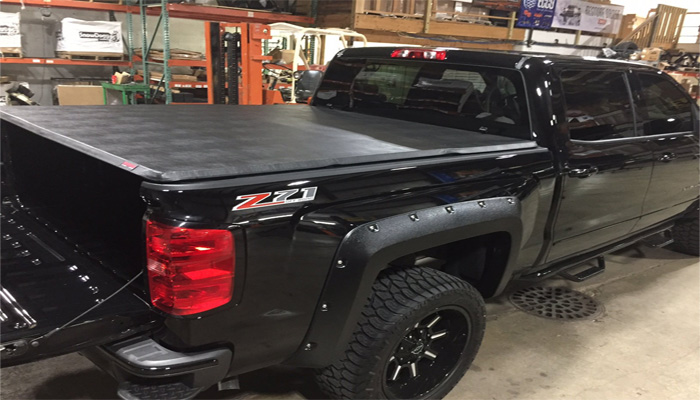
Most tonneau covers deteriorate because owners either neglect regular cleaning or use the wrong products. Harsh household cleaners strip protective coatings, UV rays cause fading and cracking, and tree sap or bird droppings eat into the surface if left too long. The good news is that even covers that look rough can usually be restored with some elbow grease and a few targeted products.
Below, you'll find a complete breakdown of the tools you need, cleaning methods for each cover type, common problems and their fixes, and a realistic look at what this project costs. Let's get your cover looking factory-fresh.
Contents
Tools and Supplies You'll Need
Before you start scrubbing, gather everything so you're not running back to the garage mid-job. The supplies differ depending on whether you have a soft vinyl/canvas cover or a hard fiberglass/aluminum one. Using the wrong cleaner on the wrong material is one of the fastest ways to cause permanent damage.
For Vinyl and Soft Covers
Soft tonneau covers are the most common and also the most sensitive to chemical damage. You want a pH-neutral cleaner specifically formulated for vinyl or marine-grade fabric. Avoid anything with bleach, ammonia, or petroleum distillates. A soft-bristle brush or microfiber wash mitt works best — never use stiff brushes that can scratch the surface or tear stitching.
You'll also want a UV protectant spray designed for vinyl. This is the step most people skip, and it's exactly why covers fade within a year or two. Think of it like sunscreen for your truck bed cover.
For Hard and Fiberglass Covers
Hard covers can handle slightly more aggressive cleaning, but you still want to avoid abrasives that scratch the gelcoat or paint. If your hard cover is color-matched to your truck, treat it exactly like you'd treat your vehicle's paint — wash, clay bar if needed, polish, and wax. For unpainted fiberglass, a marine-grade fiberglass cleaner works perfectly. If you're curious about the cost of these covers in the first place, our guide on fiberglass tonneau cover costs breaks it down.
How to Clean Tonneau Cover by Material Type
The method matters as much as the products. Here's a side-by-side comparison of how to clean tonneau cover surfaces based on material, then detailed steps for each.
| Factor | Soft/Vinyl Cover | Hard/Fiberglass Cover |
|---|---|---|
| Recommended cleaner | pH-neutral vinyl cleaner | Car wash soap or fiberglass cleaner |
| Brush type | Soft-bristle or microfiber mitt | Microfiber mitt or foam pad |
| Protectant | Vinyl UV spray (303 Aerospace, etc.) | Carnauba wax or paint sealant |
| Drying method | Air dry or pat with microfiber | Chamois or microfiber towel |
| Cleaning frequency | Every 2–4 weeks | Monthly or with regular washes |
| Restoration option | Vinyl dye or re-coating | Polish + compound |
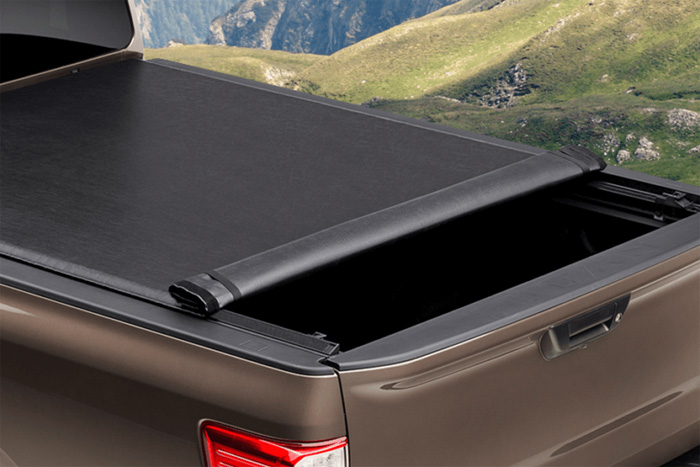
Soft Cover Cleaning Method
Start by rinsing the entire cover with plain water to remove loose dirt and debris. This prevents you from grinding particles into the surface when you scrub. Next, apply your vinyl cleaner according to the label — most work best when sprayed on and left for 30–60 seconds before agitating.
Work in sections using your soft brush, applying light circular motions. Don't press hard — let the cleaner do the work. Rinse each section before moving to the next so the cleaner doesn't dry on the surface. Once the entire cover is clean, rinse thoroughly and let it dry completely before applying protectant.
Apply your UV protectant in thin, even coats. Buff it in with a clean microfiber cloth. Two light coats outperform one heavy one every time. This step restores that deep matte-black look that made you fall in love with the cover when it was new.
Hard Cover Cleaning Method
Wash your hard cover the same way you'd wash your truck — two-bucket method with a quality car wash soap. If you notice oxidation (that chalky white haze on older fiberglass), you'll need a polishing compound before waxing. A dual-action polisher makes quick work of this, but you can do it by hand.
After polishing, apply a coat of carnauba wax or synthetic paint sealant. This protects against UV damage and gives that glossy wet look. For painted covers, consider a ceramic coating for longer-lasting protection — these can last six months to a year between applications.
Fixing Common Tonneau Cover Problems
Sometimes a basic wash isn't enough. Here are the issues that trip people up most often, and how to address them without making things worse.
Fading and Discoloration
UV radiation is the number one killer of tonneau cover appearance. According to the Wikipedia entry on ultraviolet radiation, UV-A rays penetrate deep enough to break down polymer bonds in vinyl and plastics over time. Once a vinyl cover fades, no amount of cleaning will fully restore the original color.
Your options at that point are vinyl dye (essentially re-coloring the surface) or a heavy-duty vinyl restorer that deposits pigment into the material. Prevention is always cheaper than restoration — if you're applying UV protectant every month, you'll likely never reach this stage. This same principle applies to other exterior care; if you've ever dealt with paint damage, you know that fixing a keyed car is far more expensive than maintaining a wax coat.
Stubborn Stains and Mildew
Mildew shows up as black or green spots, usually on soft covers that stay damp. A solution of white vinegar and water (1:1 ratio) handles mild cases. For heavier mildew, a dedicated marine mildew remover works without damaging the vinyl.

Tree sap requires a different approach. Apply rubbing alcohol or a commercial sap remover with a microfiber cloth, letting it soak for a minute before gently wiping away. Never scrape dried sap with a razor or hard edge on a soft cover — you'll slice right through. For hard covers, a plastic razor blade can carefully lift sap without scratching the gelcoat.
Bird droppings are acidic and etch into surfaces fast. If you catch them within a day or two, warm soapy water usually handles it. After a week in the sun, you may need a light polish on hard covers or a stain-specific cleaner on soft ones.
What It Costs to Restore Your Tonneau Cover
One reason people put off tonneau cover maintenance is the assumption that it's expensive. In reality, DIY restoration is remarkably affordable. Here's what you're looking at depending on your approach.
DIY Product Costs
A quality vinyl cleaner runs $10–$18 per bottle, and one bottle typically lasts four to six cleanings. UV protectant sprays cost $12–$25 and last similarly. If you need a vinyl dye or heavy restorer for a badly faded cover, expect $15–$30 for a kit. Total investment for a full restoration — cleaner, brush, protectant, and restorer — lands between $40 and $75.
For hard covers, car wash soap is something you likely already have. A quality polish runs $15–$25, and a good carnauba wax is $12–$20. If you're buying a dual-action polisher, that's a $50–$150 investment, but it's a tool you'll use on the entire truck for years.
Professional Detailing Costs
If you'd rather hand the job off, most detail shops charge $50–$100 to clean and protect a tonneau cover as a standalone service. A full truck detail that includes the cover typically runs $150–$300 depending on your area. Professional ceramic coating specifically for the cover adds $75–$150 on top of a detail.
For most truck owners, the DIY route makes the most sense. The products last multiple applications, the process takes under an hour, and you'll develop a feel for your cover's needs over time. It's far less involved than other truck maintenance — certainly simpler than something like fixing a crease dent in your body panels.
Frequently Asked Questions
Can you use dish soap to clean a tonneau cover?
Dish soap strips protective oils and coatings from vinyl and can cause premature cracking. It works in a pinch for hard painted covers, but dedicated automotive or vinyl cleaners are safer for regular use on any cover type.
How often should you clean and protect your tonneau cover?
Clean soft covers every two to four weeks and apply UV protectant monthly. Hard covers can follow your regular truck wash schedule — typically every two weeks — with wax reapplied every two to three months.
Will pressure washing damage a tonneau cover?
High-pressure water can force moisture under seals on soft covers and damage stitching over time. Keep the nozzle at least two feet away and use a wide fan pattern. For hard covers, moderate pressure is generally safe but avoid blasting near edges and seams.
Can you restore a tonneau cover that's already cracking?
Minor surface cracks in vinyl can be improved with vinyl conditioner and dye, though the underlying material is compromised. Deep cracks mean the vinyl has lost its plasticizers permanently, and replacement is usually the better long-term investment at that stage.
Final Thoughts
Your tonneau cover protects your cargo from the elements — returning the favor with regular cleaning and UV protection keeps it looking sharp and extends its lifespan by years. Grab a pH-neutral cleaner and a bottle of UV protectant this weekend, spend thirty minutes on the job, and you'll be surprised how close to showroom condition you can get. Start with a gentle rinse, work methodically, and make protectant application a monthly habit — your cover will thank you for it.


About Chris Lewis
Chris Lewis developed a deep knowledge of automotive filtration, maintenance, and repair through years of hands-on experience working on vehicles — a passion rooted in time spent in his father's San Francisco auto shop from an early age. He has practical familiarity with air, oil, fuel, and cabin filter systems across a wide range of vehicle makes and models, along with experience evaluating the tools and equipment that serious DIY mechanics rely on. At MicrogreenFilter, he covers automotive and motorcycle filter reviews, maintenance guides, and automotive tool recommendations.
Get FREE Filters now. Or latest free tools from our best collections.
Disable Ad block to get all the secrets. Once done, hit any button below