Change your car oil filter every time you get an oil change — that's the rule, and it doesn't have much wiggle room. Knowing how often to change your car oil filter is one of the simplest things you can do to protect your engine, and yet it's one of the most commonly mishandled maintenance items on the road. Most vehicles need a fresh filter every 3,000 to 10,000 miles depending on oil type and driving conditions. Browse the full selection of automotive oil filters at MicroGreenFilter to find the right fit for your vehicle.
Your engine forces oil through tight passages under high pressure, and the filter is the only thing standing between those passages and suspended metal particles, carbon deposits, and combustion byproducts. Once the filter media saturates, it either bypasses oil entirely or restricts flow — and neither outcome is one your engine can tolerate for long. The good news is that a replacement filter costs very little and swapping it takes about 20 minutes with basic tools.
Whether you're running synthetic oil on an extended drain schedule, managing a high-mileage engine, or just trying to spend your maintenance dollars wisely, this guide gives you clear, evidence-based answers for every situation. Just as your engine air filter has a finite service life that most owners underestimate, so does your oil filter — and the consequences of missing it are far more immediate.
Contents
- What Your Oil Filter Actually Does
- How Often to Change Your Car Oil Filter: The Interval That Holds Up
- How to Change Your Oil Filter the Right Way
- Oil Filter Myths Worth Setting Straight
- Standard vs. Extended-Life Filters: What You Actually Get
- Warning Signs Your Oil Filter Needs Immediate Attention
- Building a Filter Schedule That Protects Your Engine Long-Term
- Frequently Asked Questions
- Final Thoughts
What Your Oil Filter Actually Does
The Anatomy of a Modern Oil Filter
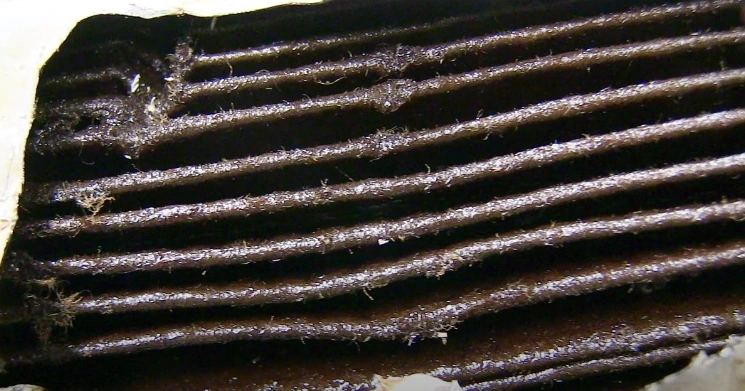
A typical spin-on oil filter contains a pleated paper or synthetic media element inside a metal canister. Oil enters through perforated holes around the outside of the element, passes through the media — trapping particles as small as 20 to 40 microns — then exits through the center port and returns to the engine. Most filters also contain an anti-drainback valve that holds oil in the filter between starts, preventing the brief dry start that causes disproportionate wear on cold mornings.
Inside every canister is a bypass valve. When the filter media becomes clogged — from normal use or from cold oil thickening in winter — the bypass opens and routes unfiltered oil directly to the engine rather than starving it. This is a mechanical safety net, not a maintenance strategy. Relying on the bypass means your engine is running on unfiltered oil, which defeats the entire purpose of having a filter.
Why Filter Condition and Oil Condition Are Linked
Oil doesn't just carry particles; it chemically degrades over time. As it oxidizes and accumulates acids from combustion, it becomes a harsher medium that accelerates filter saturation. Changing the filter with the oil — not on alternating intervals — is the correct approach. Leaving an old filter in place with fresh oil means the contaminants trapped in the used media immediately begin contaminating the new charge. You've paid for a fresh oil change and partially undone it before you've driven a mile.
How Often to Change Your Car Oil Filter: The Interval That Holds Up
Conventional Oil Vehicles
If you're running conventional motor oil, the standard guidance is a filter change every 3,000 to 5,000 miles. Many manufacturers have extended this slightly due to improved oil formulations, but if you drive in heavy stop-and-go traffic, tow regularly, or operate in dusty conditions, stick to the lower end of that range. Every oil change should come with a new filter — no exceptions. The filter is too inexpensive relative to the protection it provides to treat it as optional.
Synthetic Oil Vehicles
Full synthetic oil can legitimately go 7,500 to 10,000 miles between changes, with some modern vehicles equipped with oil life monitoring systems stretching to 15,000 miles. The filter's capacity, however, doesn't automatically scale with the oil's extended life. Most filter manufacturers rate their synthetic-compatible filters for the same interval as the oil, but that assumes you're using a filter specifically designed for extended-drain use. If yours isn't rated for it, change the filter at the midpoint and the oil at the full interval.
How Driving Conditions Affect the Math
| Driving Condition | Oil Type | Recommended Filter Interval |
|---|---|---|
| Normal highway/city mix | Conventional | Every 3,000–5,000 miles |
| Normal highway/city mix | Full synthetic | Every 7,500–10,000 miles |
| Severe (towing, short trips, dusty roads) | Conventional | Every 3,000 miles or sooner |
| Severe (towing, short trips, dusty roads) | Full synthetic | Every 5,000–7,500 miles |
| High-mileage engine (75,000+ miles) | Any | Shorten interval by 20–25% |
Pro tip: Your owner's manual interval is based on manufacturer testing specific to your engine — it overrides any generic rule of thumb, including ours.
How to Change Your Oil Filter the Right Way
Tools and Supplies You Need
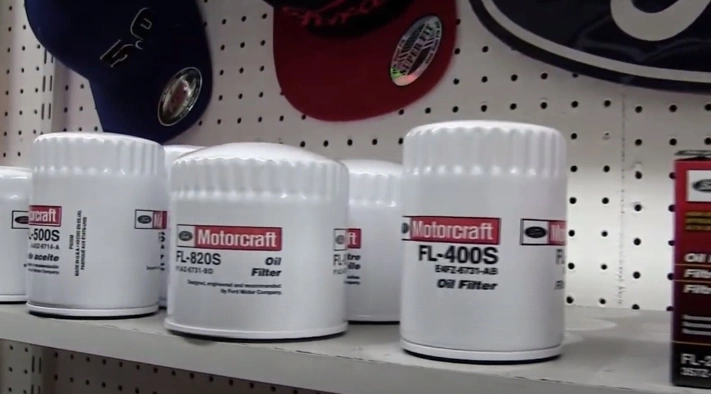
You need a drain pan, the correct replacement filter, a filter wrench sized for your canister, fresh motor oil, a funnel, and gloves. Cross-reference the replacement filter by make, model, and engine size — an incorrectly threaded filter that backs off under pressure will dump your oil on the road within minutes of startup. Getting the right part number costs nothing extra and eliminates a dangerous failure mode.
Step-by-Step Process
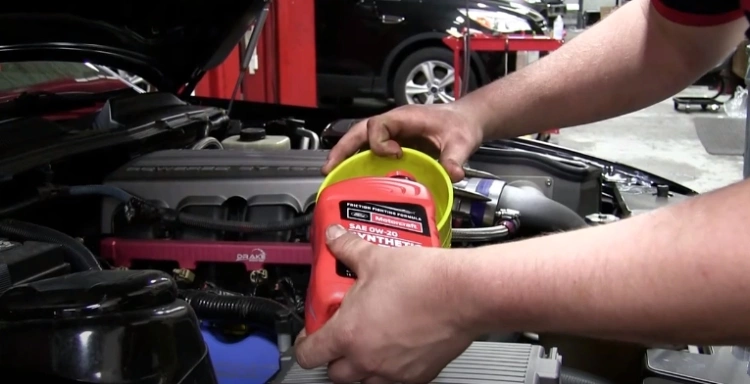
Warm the engine for two to three minutes so the oil flows freely, then shut it off. Position your drain pan under the drain plug, remove the plug, and let the oil drain completely. With the old oil out, use your filter wrench to break the canister loose, then spin it off by hand. Before threading on the new filter, lightly coat the rubber gasket with fresh oil — this ensures a leak-free seal and makes removal easier at the next change. Hand-tighten the filter until the gasket contacts the housing, then turn it an additional three-quarter turn. No more. Refill with the correct oil grade and volume, run the engine for 30 seconds, and check for seepage around the filter before driving.
Oil Filter Myths Worth Setting Straight
Myth: Premium Oil Means You Can Skip the Filter
This is wrong. Premium synthetic oil extends drain intervals, but the filter still accumulates the same metal shavings, carbon particles, and combustion residue that conventional oil does. The oil's quality determines when it chemically degrades; the filter's capacity determines how much contamination it can physically hold. They work together, and neither replaces the other. Using top-shelf oil with an overloaded filter is not a winning strategy.
Myth: Longer Filter Life Equals Better Protection
Some drivers assume that a filter rated for 15,000 miles must be superior in every way. In reality, extended-interval filters achieve their longevity through higher-capacity media and more robust construction — not by stretching the same media further. A standard filter used past its service life provides far less protection than a fresh conventional filter used on schedule. Always match the filter's rated interval to your actual drain interval, and don't mix ratings.
Myth: Dark Oil Means the Filter Failed
Oil turns dark brown or black quickly — sometimes within a few hundred miles in a diesel engine. That color is the oil doing its job, suspending soot and combustion byproducts in solution rather than letting them deposit on engine surfaces. Dark color alone is not evidence of filter failure or degraded oil. The actual condition of used oil is best assessed through a used oil analysis from a lab service. Dark oil that smells sharp, metallic, or has a burnt odor is a different matter and warrants immediate attention.
Standard vs. Extended-Life Filters: What You Actually Get
Where Standard Filters Make Sense
Standard filters are well-suited for conventional oil changes in the 3,000 to 5,000 mile range. They're widely available, consistently engineered, and more than adequate when used on schedule. For the majority of drivers who change their oil regularly and aren't running extended synthetic intervals, a quality standard filter from a reputable brand is entirely sufficient. Consistent replacement on schedule — just like your cabin air filter — beats running premium components past their rated life.
When Extended-Life Filters Pay Off
If you're on a synthetic schedule at 7,500 miles or beyond, an extended-life filter built with synthetic media, higher-capacity pleating, and a silicone anti-drainback valve is the appropriate choice. Silicone holds up under long heat cycles far better than standard rubber, and a higher burst pressure rating protects against the elevated pressures seen during extended cold starts. The price premium over a standard filter is modest compared to the cost of engine wear accumulating over thousands of miles of inadequate filtration.
Warning Signs Your Oil Filter Needs Immediate Attention
Performance and Pressure Clues
A clogged filter activating its bypass valve won't trigger a warning light in most vehicles. Instead, you may notice a sluggish throttle response, a subtle drop in power under load, or an oil pressure gauge reading lower than usual at idle. If your oil pressure warning light flickers at idle or stays on, stop driving immediately. A restricted or failed filter can drop oil pressure to dangerous levels within minutes, and running an engine without adequate pressure causes rapid, irreversible wear on bearings and cam surfaces.
Physical Symptoms at the Filter
Any oil seeping around the filter gasket is a problem you don't defer. A weeping seal escalates quickly, and oil dripping onto exhaust components creates a fire risk. A filter that's excessively hot to the touch and leaving residue on surrounding parts suggests the bypass valve is open and the media is overloaded. An engine that clatters or ticks loudly on cold starts — noise that fades within 15 to 30 seconds once oil circulates — often points to a failing anti-drainback valve. While you're assessing your filter maintenance, it's also worth checking whether your fuel filter is due for service — neglected maintenance items tend to cluster together on aging vehicles.
Building a Filter Schedule That Protects Your Engine Long-Term
Syncing Filter Changes With Your Maintenance Calendar
The most effective system is the one you'll actually follow. Tie your filter change to a round-number mileage milestone that coincides with your oil change, and log it — whether in a notebook in your glovebox, a maintenance app, or a sticky note on the inside of your hood. Engines don't accumulate neglect on a schedule you'll notice; the damage happens gradually and invisibly until it doesn't. The cost of one skipped filter change is a few dollars saved. The cost of the engine damage it enables can run into thousands.
High-Mileage Engines Deserve Extra Attention
Once your engine crosses 75,000 miles, internal tolerances have widened slightly and the oil typically carries more metal particles per mile driven. At that point, shortening your filter interval — even on a full synthetic schedule — is a sound protective measure. High-mileage oil formulations containing seal conditioners can help reduce minor seepage, but they don't reduce the need for fresh filtration media. A consistently maintained high-mileage engine can run well past 200,000 miles; the difference between one that does and one that doesn't frequently comes down to filter discipline.
According to the National Highway Traffic Safety Administration, regular vehicle maintenance — including filter and fluid changes — is among the most effective measures for preventing mechanical failures that contribute to accidents. That makes consistent oil filter replacement both a financial and a safety argument.

Frequently Asked Questions
Should I change my oil filter every time I change my oil?
Yes. Every oil change should include a new filter. Leaving an old filter in place with fresh oil allows the contaminants trapped in the used media to immediately degrade the new oil charge, partially defeating the purpose of the change. Filters are inexpensive enough that there's no practical reason to separate the two services.
Can I change my oil without changing the filter?
You can, but you shouldn't. An old filter saturated with contaminants will degrade fresh oil faster than a clean filter would. The filter and oil work as a system. Replacing one without the other compromises the effectiveness of both and is considered poor practice by every major manufacturer.
How long does an oil filter physically last?
A quality filter remains structurally intact well beyond its rated service interval, but the filtration media becomes saturated and loses effectiveness at or before that mileage threshold. Structural integrity is not the same as filtration capacity. Always follow the rated interval on the filter packaging, not a general assumption about how long it "looks" like it should last.
What happens if you don't change your oil filter?
A clogged filter forces the bypass valve open, routing unfiltered oil through the engine. This allows abrasive particles to circulate freely through bearings, cylinder walls, and cam surfaces — causing accelerated wear. Over time, neglecting the filter leads to increased engine noise, reduced oil pressure, and eventually catastrophic internal damage.
Is it bad to change the oil filter without changing the oil?
Changing only the filter mid-interval is acceptable on extended synthetic schedules where the filter is rated for a shorter interval than the oil. Installing a fresh filter with old oil at the halfway point is a legitimate practice for long-drain scenarios. What you want to avoid is the reverse — fresh oil with an old, saturated filter.
How do I know if my oil filter is clogged?
Common indicators include low oil pressure readings at idle, a pressure warning light that flickers, sluggish engine response under load, and increased engine noise on startup that doesn't clear quickly. Visible oil seeping around the filter canister and oil residue on surrounding engine components are also warning signs. If you observe any of these, inspect and replace the filter immediately.
Are more expensive oil filters worth the money?
For standard drain intervals, a mid-tier filter from a reputable brand performs comparably to premium options. Where premium filters earn their cost is on extended synthetic drain schedules — they use higher-capacity synthetic media, silicone valves rated for long heat cycles, and stronger canister construction. Match the filter tier to your actual drain interval rather than paying for extended-drain features on a conventional oil schedule.
Final Thoughts
The answer to how often to change your car oil filter is straightforward: every oil change, matched to the interval your oil type and driving conditions demand. Head over to MicroGreenFilter's filter catalog, look up your vehicle, and pick a filter rated for your drain interval — it's one of the most cost-effective things you can do to extend your engine's life. Don't wait until you notice a problem; by then, the damage is already done.


About Chris Lewis
Chris Lewis developed a deep knowledge of automotive filtration, maintenance, and repair through years of hands-on experience working on vehicles — a passion rooted in time spent in his father's San Francisco auto shop from an early age. He has practical familiarity with air, oil, fuel, and cabin filter systems across a wide range of vehicle makes and models, along with experience evaluating the tools and equipment that serious DIY mechanics rely on. At MicrogreenFilter, he covers automotive and motorcycle filter reviews, maintenance guides, and automotive tool recommendations.
Get FREE Filters now. Or latest free tools from our best collections.
Disable Ad block to get all the secrets. Once done, hit any button below