Studies show that a clogged engine air filter can reduce fuel economy by up to 10%, yet the average driver replaces it far less often than the engine actually demands. Knowing how often to change car air filter puts you ahead of a problem that builds invisibly — one dirty mile at a time. If you are already comparing options in the car filters category, the next step is understanding exactly when replacement becomes necessary, because the answer changes dramatically based on where and how you drive.
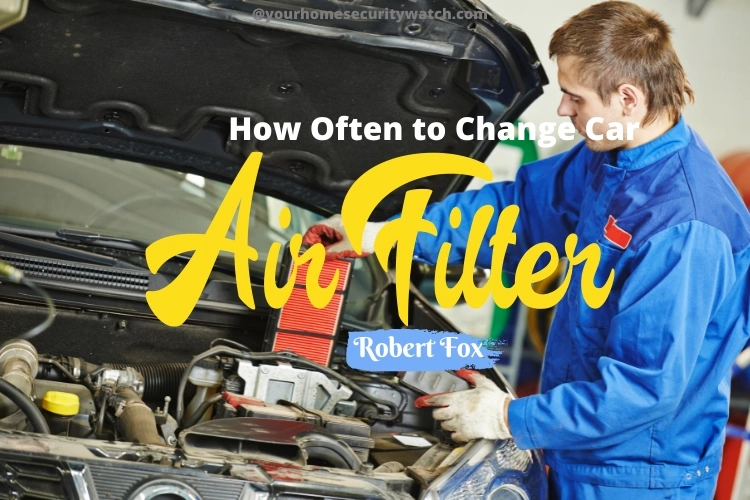
Your engine mixes roughly 14 parts air with every 1 part fuel during combustion. That air travels through the air filter first, where layered fibers trap dust, pollen, road grit, and debris before they reach the intake manifold. A clean filter flows freely and maintains proper air-fuel ratios. A saturated filter creates a restriction — the engine pulls against reduced airflow, fuel consumption rises, and combustion efficiency drops. The damage is gradual but cumulative.
The standard replacement window runs from 15,000 to 30,000 miles, but that window is only the starting point. Vehicle type, driving conditions, and local environment all compress or extend that range in ways that most generic maintenance schedules never account for. This guide gives you the tools to stop guessing and start making informed decisions about your air filter.
Contents
- Warning Signs Your Air Filter Needs Replacing Now
- How Your Driving Environment Determines Filter Life
- How Often to Change Car Air Filter by Vehicle Type
- Air Filter Myths That Are Costing You Money
- Engine Air Filter vs. Cabin Air Filter: Two Different Jobs
- Getting the Most From Your Filter Between Changes
- How to Change Your Car Air Filter Step by Step
- Frequently Asked Questions
Warning Signs Your Air Filter Needs Replacing Now
What a Visual Inspection Reveals
Pull the air filter from its housing — on most vehicles it sits inside a black plastic box connected to the intake tube, secured by clips or a single wingnut near the top of the engine bay. A new filter is white or off-white. A filter at the end of its service life is gray to black, and the pleated media is visibly loaded with debris. Tap it lightly over a waste bin: if a dust cloud releases, you already have your answer. Color alone does not tell the full story — a filter can appear moderately dirty but still flow within spec, while another can look gray under dim light and be critically restricted. Physical inspection combined with performance observation gives you the complete picture, not the color check alone.
Performance Symptoms That Signal a Problem
Beyond the visual check, your engine communicates through behavior. Sluggish acceleration from a stop, rough idling, misfires at highway speed, and a noticeable fuel smell from the exhaust are all symptoms of a restricted air intake. When airflow drops, the mass airflow sensor reads incorrectly, and the engine control unit miscalculates the fuel-air ratio — sometimes triggering a check engine light with codes pointing to sensors rather than the filter itself. Replacing a dirty filter before chasing sensor codes can save you an unnecessary diagnostic fee. If you are also overdue on other combustion maintenance, pairing the air filter change with a review of your spark plug condition gives you a complete picture of combustion health in one session.
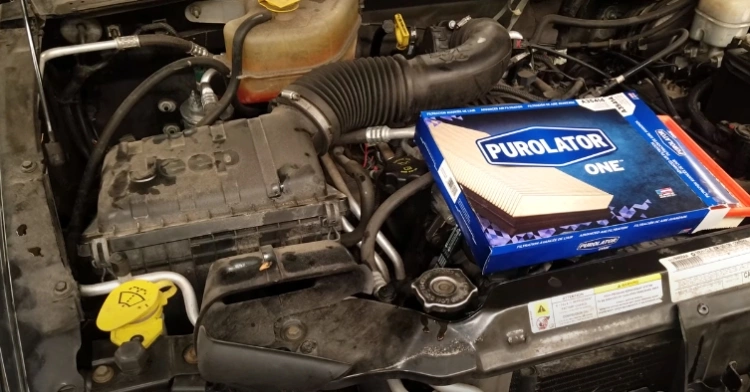
Pro tip: If your engine hesitates under hard acceleration but idles smoothly, pull the air filter before scheduling any diagnostics — a restricted filter is the most common and most overlooked cause of this specific symptom.
How Your Driving Environment Determines Filter Life
City vs. Highway: The Mileage Trap
Mileage is a starting point, not a verdict. City driving exposes your filter to far more particulates per mile than highway travel — stop-and-go traffic generates brake dust, exhaust particulate from surrounding vehicles, and road grit kicked up at low speeds with less airflow to keep the filter breathing. A driver covering 20,000 miles per year on city streets will typically hit critical filter saturation before a driver logging the same distance on clean highway routes. The type of miles matters as much as the number of miles.
Driving frequency also plays a role that the mileage-only approach misses entirely. Understanding how often you start your car matters because infrequent drivers accumulate fewer miles but expose the filter to moisture cycling and biological growth over elapsed time — neither of which shows up in the odometer reading. Low-mileage vehicles still need filter inspection on a time-based schedule, typically every two years regardless of miles driven.
Dusty and High-Contamination Environments
Gravel roads, agricultural areas, construction zones, and arid desert climates shorten filter life dramatically. In severe dust environments, an air filter can reach its service limit in as few as 10,000 miles — well ahead of the standard 15,000-mile lower bound. If your daily route regularly takes you through unpaved or heavily trafficked construction areas, inspect your filter every 5,000 miles rather than waiting for a scheduled service interval. Vehicles used off-road should treat 7,500 miles as the working baseline, not the exception. According to fueleconomy.gov, keeping your engine filter clean is one of the most direct steps you can take to preserve fuel economy — and that relationship is amplified in high-dust conditions where restriction builds at an accelerated rate.
How Often to Change Car Air Filter by Vehicle Type
Manufacturer Intervals and When to Override Them
Automakers publish recommended intervals that assume normal driving conditions — whatever that means for your specific situation. Most factory intervals land between 15,000 and 30,000 miles, with turbocharged engines at the shorter end because forced induction passes higher air volumes through the filter under boost pressure. Naturally aspirated economy cars typically land near the 20,000-mile mark. Trucks and SUVs used for towing or off-road work need earlier replacement regardless of what the owner's manual specifies, because operating loads increase both airflow demand and contamination exposure simultaneously.
| Vehicle / Condition Type | Recommended Interval | Notes |
|---|---|---|
| Standard passenger car, clean suburban or highway driving | 20,000–30,000 miles | Follow manufacturer interval; inspect at midpoint |
| Turbocharged or performance engine | 15,000–20,000 miles | Higher airflow demand accelerates loading |
| City driving, heavy stop-and-go traffic | 12,000–15,000 miles | Brake dust and exhaust particulate compress the window |
| Dusty, rural, or gravel road driving | 7,500–10,000 miles | Inspect every 5,000 miles in severe conditions |
| Off-road use (4x4, truck, SUV) | 5,000–7,500 miles | Check after every major off-road excursion |
| Low-mileage vehicles (under 5,000 miles per year) | Every 2 years regardless of mileage | Moisture and media aging degrade performance over time |
Just as you would not apply the same interval to your fuel filter regardless of driving conditions, the air filter schedule needs to reflect your actual operating environment. The table above gives you a reliable framework — your specific vehicle and route will always be the final authority.
High-Mileage and Older Vehicles
Vehicles with over 100,000 miles on the odometer benefit from shorter filter change intervals regardless of driving conditions. Aging piston rings and worn valve seals allow more contaminants to circulate through the intake system, and the engine relies more heavily on clean airflow to compensate for reduced combustion efficiency. Treating the air filter as a 15,000-mile item on a high-mileage engine is a low-cost form of insurance against accelerated wear — the kind of preventive step that costs far less than the consequences it prevents.
Air Filter Myths That Are Costing You Money
The Color Test Is Not Enough
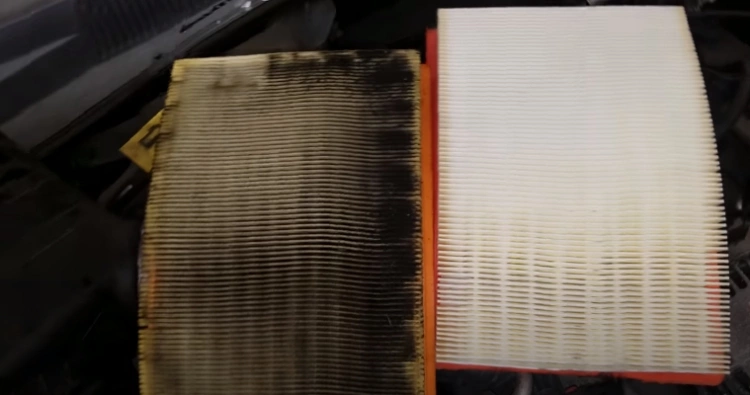
The most persistent air filter myth is that you can judge remaining capacity entirely by color. A filter that looks moderately tan might still flow within spec. A filter that looks nearly clean under a shop fluorescent might be loaded with fine particles that are invisible at a glance. Restriction, not appearance, is what damages your engine — and restriction requires either a pressure differential measurement or consistent mileage-based replacement to manage correctly. Relying on the eyeball test alone lets borderline filters slide past the window where replacement was inexpensive insurance.
Cleaning Always Beats Replacing
Compressed air can dislodge surface debris, but it does not restore the filter media to new condition. Pleated paper and synthetic filter elements trap fine particles within the fiber matrix itself, not just on the surface. Blowing air through them displaces loose material but leaves the fiber structure partially loaded — and sometimes physically damaged — with particles the air pressure cannot reach. Performance filters with oil-impregnated elements require specific cleaning kits and re-oiling, not a shop air line. For standard paper elements, replacement is the correct answer in almost every case. The cost difference between cleaning and replacing is marginal; the performance and protection difference is not.
Engine Air Filter vs. Cabin Air Filter: Two Different Jobs
What the Engine Filter Actually Does
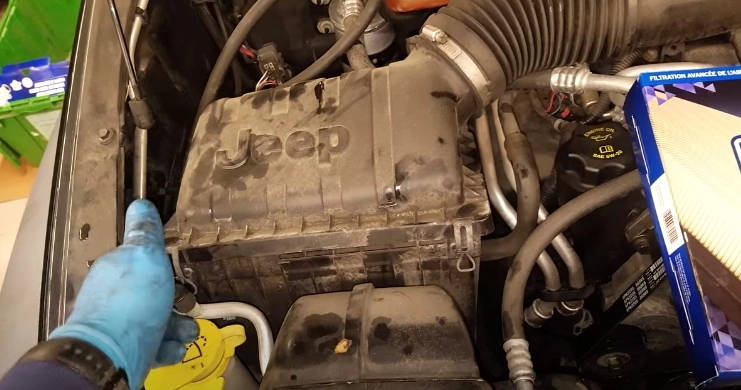
The engine air filter protects the combustion side of your vehicle — specifically the intake manifold, throttle body, fuel injectors, and cylinder walls. It operates under negative pressure as the engine draws air through it, which means any gap or seal failure bypasses filtration entirely. A compromised filter housing seal is as damaging as a clogged element, because unfiltered air entering around the edges carries abrasive particles directly into the engine with no barrier. Always inspect the housing and intake tube for cracks or loose connections when you replace the element. Understanding how a fuel filter works alongside the air filter gives you a complete view of the intake-to-combustion chain and where contamination can enter at each stage.
Why the Cabin Air Filter Has Its Own Schedule
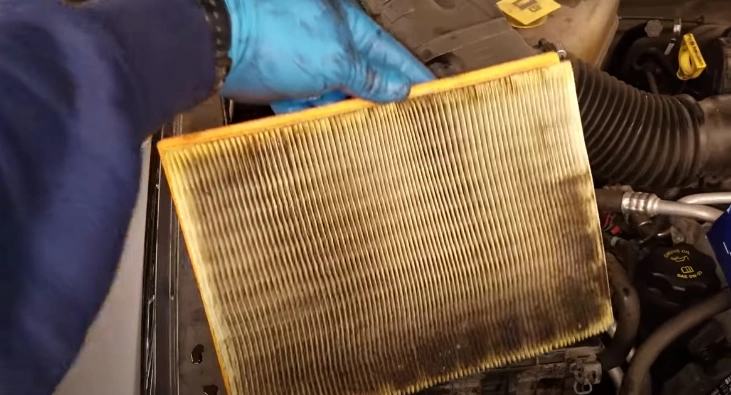
The cabin air filter is a separate component entirely — it filters air entering the passenger compartment through the HVAC system and does nothing to protect the engine. Its replacement interval typically runs 15,000 to 25,000 miles, but it loads faster during heavy pollen seasons and in urban environments with high particulate density. Drivers who frequently run air conditioning notice reduced airflow and musty odors when the cabin filter is overdue. These are two distinct maintenance items with distinct consequences — missing one does not compensate for the other, and replacing both on a defined schedule is the only reliable approach.
Warning: Never skip the cabin filter replacement because your engine filter looks clean — they serve completely different systems, and a clogged cabin filter forces your HVAC blower motor to work against resistance, shortening its service life independently of anything happening under the hood.
Getting the Most From Your Filter Between Changes
Building an Inspection Routine
Set a reminder to pull and inspect the engine air filter every 6,000 miles regardless of your scheduled replacement interval. The inspection takes under two minutes and gives you ground truth on how fast your driving conditions are loading the filter. If it looks significantly degraded at 6,000-mile checks, you are in a severe-duty environment and should adjust your replacement interval accordingly. Comprehensive filter care extends to other systems as well — the microGreen dual-element oil filter design illustrates how layered filtration captures what single-stage systems miss, and the same principle applies to choosing a quality engine air filter element that holds its efficiency across the full service interval.
How Storage and Infrequent Use Affect Filters
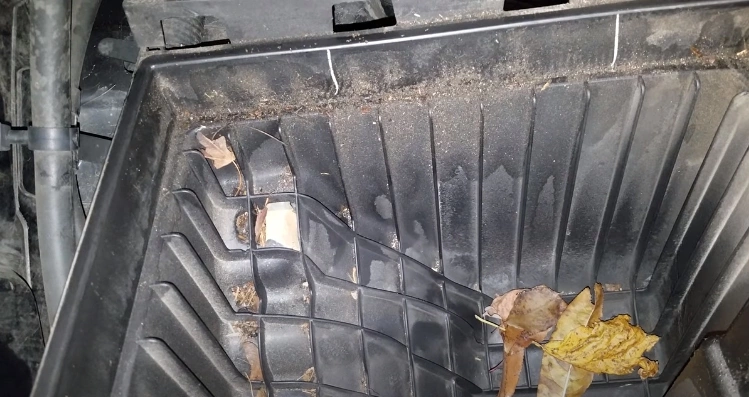
Vehicles that sit unused for extended periods face a different filter risk: moisture infiltration, media aging, and in some cases rodent nesting in the air box. A filter that looks fine visually after storage can still harbor moisture damage or compacted debris that does not reveal itself under casual inspection. If you are working through the question of how long a car can sit without driving, make filter inspection a required step before returning the vehicle to regular use. Pull the element, check for nesting material and moisture contamination, and replace it if there is any doubt. The cost of a new filter is trivial compared to the cost of sending debris through a cold engine at first startup.
How to Change Your Car Air Filter Step by Step
What You Need
Replacing an engine air filter requires no specialized tools on most vehicles. You need the correct replacement filter matched to your vehicle's year, make, and model — cross-reference the part number printed on the old element if the housing allows it. A flathead screwdriver handles spring clips on some housings. A clean rag wipes out the air box interior before the new element goes in. On turbocharged engines, a small flashlight helps you inspect the intake tube and intercooler connection for debris that may have entered through a compromised seal during the filter's service life.
The Replacement Process
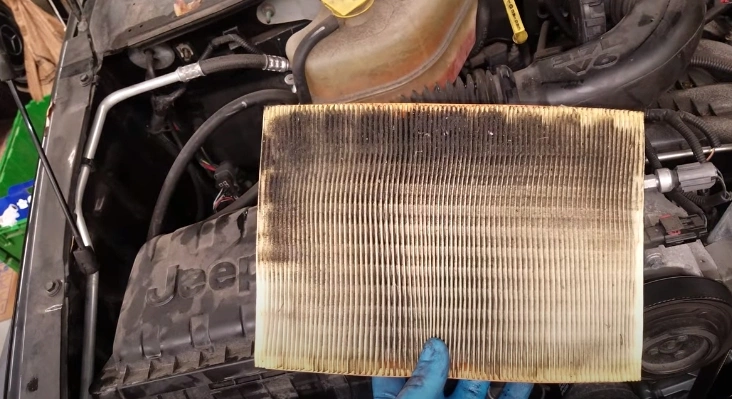
Locate the air filter housing — typically a black plastic box connected to the throttle body via a large-diameter hose, positioned near the top or side of the engine bay. Release the clips or loosen the wingnut securing the lid. Lift the lid and remove the old filter, noting its orientation before it comes out. Wipe the interior of the housing clean. Seat the new filter so that all edges seal firmly against the housing gasket — any gap creates an unfiltered air path directly into the intake. Reinstall the lid and clips, reconnect any sensors or hoses displaced during access, and start the engine to confirm a smooth idle. The job takes less than 10 minutes and costs a fraction of what throttle body cleaning or sensor replacement runs after contaminated air does its damage. If you want to build this into a broader engine optimization session, pairing the air filter swap with an evaluation of whether high-performance spark plugs are worth the investment covers two key combustion inputs in a single afternoon.
Frequently Asked Questions
How often should I change my car air filter?
For most passenger vehicles under normal driving conditions, the standard interval is 15,000 to 30,000 miles. City drivers, those in dusty environments, and turbocharged engines should plan on replacement closer to every 12,000 to 15,000 miles. Inspecting the filter every 6,000 miles lets you calibrate your specific rate of loading rather than relying solely on a generic mileage number.
Can a dirty air filter damage my engine?
Yes. A severely restricted filter can cause abrasive particles to bypass the filter media through gaps or seals under high vacuum, allowing them to reach cylinder walls, pistons, and valve components. Long-term airflow restriction also forces the engine to work harder for the same output, accelerating wear across multiple components simultaneously.
What happens if I never change my air filter?
Fuel economy drops, engine performance degrades, and the risk of contamination reaching internal engine components increases with every mile. In extreme cases, a fully blocked filter causes the engine to run so rich that unburned fuel washes lubricating oil from cylinder walls — a condition that sharply accelerates piston ring and bore wear and can lead to costly engine repairs.
Can I clean my air filter instead of replacing it?
Standard paper elements should be replaced, not cleaned. Compressed air removes surface debris but does not restore efficiency or clear particles trapped within the fiber matrix. Performance filters with oil-impregnated media can be cleaned using manufacturer-approved kits, but the process requires specific cleaning solution and proper re-oiling — a shop air line applied to a paper filter is not a substitute for replacement.
Does a dirty air filter affect fuel economy?
On older carbureted engines, a clogged filter had a direct and immediate impact on fuel consumption. On modern fuel-injected vehicles, the ECU compensates by adjusting fuel delivery, which can mask the drop on the fuel gauge — but the engine is working against a restriction, wear increases, and the efficiency penalty shows up over time even when it is not obvious mile to mile.
How do I know if my car needs a new air filter?
Visual inspection is the most direct method: a filter darker than light gray warrants replacement. Performance symptoms — hesitation under acceleration, rough idle, misfires, or a fuel odor at the exhaust — are secondary indicators. Pairing a 6,000-mile visual check with attention to any changes in engine behavior gives you early warning before the restriction becomes severe enough to affect driveability or trigger fault codes.
Is it worth upgrading to a performance air filter?
Reusable high-flow filters can benefit turbocharged and high-displacement engines where airflow is a genuine bottleneck under boost. For standard naturally aspirated engines in everyday driving, the real-world gain is marginal. The maintenance commitment — periodic cleaning, drying, and re-oiling with specific products — is also more demanding than replacing a paper element on a defined schedule, which is worth factoring into the decision.
Does the engine air filter and cabin air filter need to be changed at the same time?
No — they are separate components on separate service schedules with separate functions. The engine air filter protects the combustion system; the cabin air filter protects HVAC airflow into the passenger compartment. Each follows its own interval based on its own contamination rate. Replacing both at the same service visit is convenient, but they do not need to be synchronized unless the intervals happen to align on your specific vehicle.
A ten-dollar filter changed on schedule is worth more to your engine than a hundred-dollar diagnostic after the restriction has already done its damage.


About Chris Lewis
Chris Lewis developed a deep knowledge of automotive filtration, maintenance, and repair through years of hands-on experience working on vehicles — a passion rooted in time spent in his father's San Francisco auto shop from an early age. He has practical familiarity with air, oil, fuel, and cabin filter systems across a wide range of vehicle makes and models, along with experience evaluating the tools and equipment that serious DIY mechanics rely on. At MicrogreenFilter, he covers automotive and motorcycle filter reviews, maintenance guides, and automotive tool recommendations.
Get FREE Filters now. Or latest free tools from our best collections.
Disable Ad block to get all the secrets. Once done, hit any button below