Last summer, a friend picked up a used sedan and assumed the existing tint was street-legal. Three weeks into ownership, a routine traffic stop told a different story — the previous owner had stacked aftermarket film on top of the factory glass, pushing the combination well past legal limits. If you're thinking about tinting your windows or you've just bought a car with existing film, knowing the window tint darkness legal limits in your state is non-negotiable. Get this wrong and you're looking at fines, mandatory removal orders, and failed vehicle inspections. For more practical car care guidance, browse our DIY maintenance guides.
Window tint laws are built around one measurement: Visible Light Transmission (VLT), expressed as a percentage. The lower the number, the darker the tint. A 5% VLT — called "limo tint" — lets almost no light through. A 70% VLT is nearly invisible. Every state sets its own VLT minimums, and those limits often differ depending on which window you're tinting — front side, rear side, or rear windshield.
Whether you're tinting for heat reduction, privacy, or aesthetics, you need to understand the rules before you pick a shade or trust a shop's recommendation. This guide covers legal limits, measurement tools, honest pros and cons, persistent myths, and the installation mistakes that cost drivers real money.
Contents
Understanding Window Tint Darkness Legal Limits
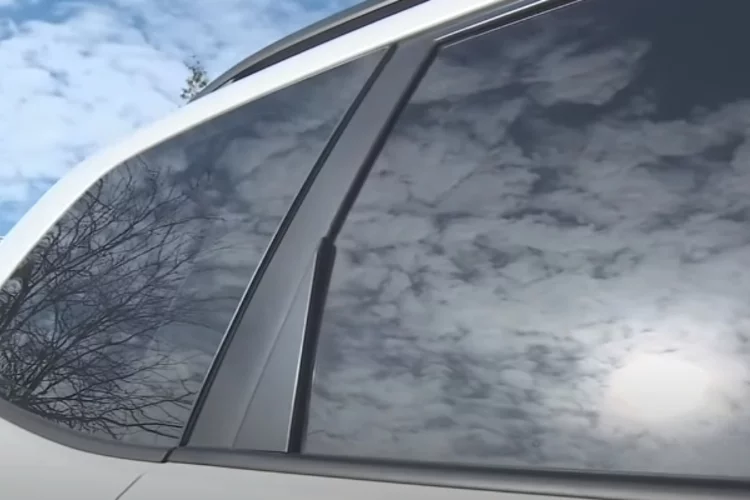
Every U.S. state regulates window tint through VLT minimums, and the inconsistency between states is exactly why so many drivers unknowingly run illegal tint after relocating or crossing a state line. California allows any darkness on rear windows for sedans but restricts front side windows to 70% VLT. Texas allows 25% across front and rear. New York is among the strictest at 70% for all windows.
According to the National Highway Traffic Safety Administration (NHTSA), reduced visibility through heavily tinted glass is a documented safety factor in nighttime and low-light collisions. That's the foundational reason these regulations exist — not just revenue generation.
How VLT Percentage Works
VLT is a combined measurement — it accounts for both the tint film and the factory glass together. Most factory automotive glass already transmits around 75–80% of light on its own. When you apply a 35% film to glass sitting at 75% VLT, your real combined VLT drops to roughly 26%. That combined number is what law enforcement and inspection stations actually measure.
- 5% VLT — Limo tint. Nearly opaque from outside. Illegal for most windows in most states.
- 20% VLT — Dark but passable visibility. Legal for rear windows in many states.
- 35% VLT — The most common legal minimum for front side windows nationwide.
- 50% VLT — Moderate tint. Legal almost everywhere, including front windows.
- 70% VLT — Very light. Primarily delivers UV protection with minimal visual change.
State-by-State Limit Variations
Here's a snapshot of VLT minimums for common states. Always verify with your state's DMV — laws update and vehicle-type exceptions apply.
| State | Front Side Windows | Rear Side Windows | Rear Windshield |
|---|---|---|---|
| California | 70% min. | Any (sedans) | Any (sedans) |
| Texas | 25% min. | 25% min. | 25% min. |
| Florida | 28% min. | 15% min. | 15% min. |
| New York | 70% min. | 70% min. | 70% min. |
| Georgia | 32% min. | 32% min. | 32% min. |
| Arizona | 33% min. | Any | Any |
| Illinois | 35% min. | 35% min. | 35% min. |
| North Carolina | 35% min. | 35% min. | 35% min. |
Pro tip: If you regularly drive across state lines, target the most restrictive VLT limit in your travel zone. A film that's legal in Arizona can earn you a fix-it ticket the moment you cross into New York.
Tools You Need to Measure and Apply Tint Correctly
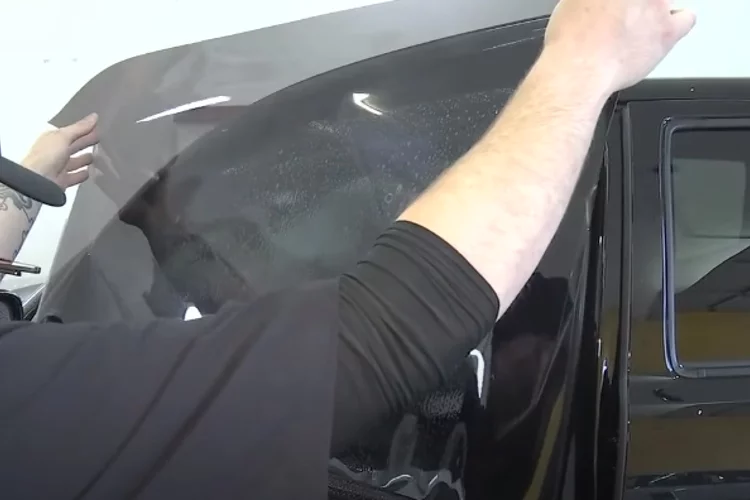
Whether you're doing a DIY install or verifying what a shop just applied, having the right tools separates a clean legal result from an expensive re-do. You need two categories: measurement tools and application tools.
Tint Meters: Your Most Important Tool
A tint meter — also called a light transmission meter — clips onto your window glass and reads the combined VLT in seconds. Law enforcement uses the exact same type of device during traffic stops. You should own one before you buy film, not after.
- Budget option: Basic handheld meters run $20–$50 and are accurate enough for personal use.
- Professional grade: Shop-quality meters ($100–$300) provide readings across multiple points on a single pane.
- Take readings at three spots per window — top, middle, and bottom — since film can be applied unevenly.
- Always measure after the film fully cures (24–72 hours post-install), as VLT readings stabilize during this window.
If you're also addressing visibility-related modifications, check out our breakdown of whether high beam bulbs work in low beam sockets — another common modification that creates both visibility and legal problems.
Application Supplies for a Clean Install
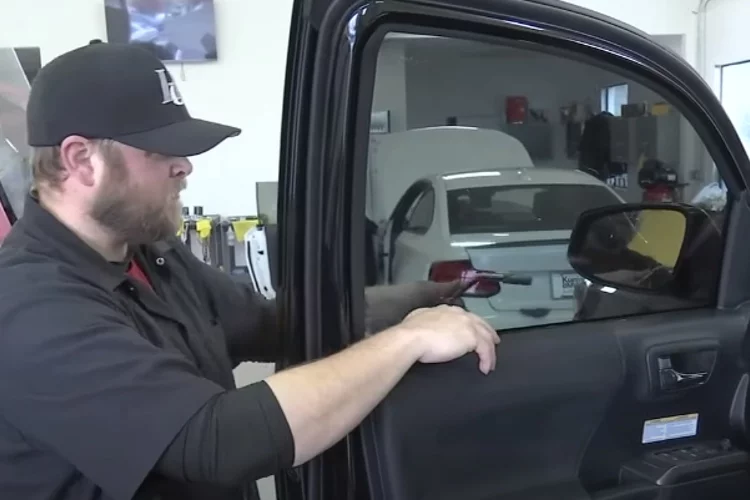
DIY tinting requires more than just the film roll. A botched application creates bubbles, lifted edges, and uneven VLT readings across a single window — all of which draw attention you don't want at an inspection.
- Squeegee with a felt edge — keeps glass scratch-free while pressing out air pockets
- Precision cutting knife — for clean trimming around door seals and window edges
- Application solution (pre-mixed or soap and water) — allows repositioning before adhesive sets
- Heat gun — essential for conforming film to curved rear windows without creasing
- Microfiber cloths — for thorough glass cleaning before application; any debris creates permanent bubbles
- Lint-free gloves — prevents fingerprints on the adhesive side of the film during handling
After your tinting is done, keeping the interior in top condition matters too. Our guide to cleaning and conditioning leather car seats covers how to protect your interior from the UV and heat that window film is designed to reduce.
The Real Benefits and Drawbacks of Window Tinting
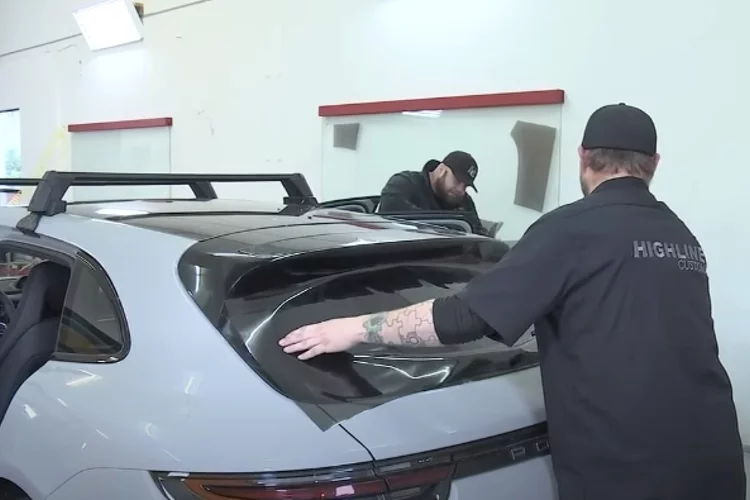
Window tinting delivers measurable benefits — but going too dark creates new problems that offset every advantage. Here's an honest look at both sides before you commit to a shade.
Why Window Tinting Makes Sense
- Heat reduction: Quality ceramic or carbon film blocks up to 60% of solar heat, meaningfully lowering cabin temperature and AC load.
- UV protection: Most automotive films block 99% of UV-A and UV-B radiation — protecting your skin on long drives and preventing interior fading and cracking.
- Glare control: Reduced glare from direct sunlight and oncoming headlights makes driving more comfortable and cuts eye fatigue on long trips.
- Privacy and security: Darker tints conceal valuables stored in the cabin, reducing smash-and-grab risk when parked.
- Shatter resistance: Film holds broken glass together during an impact, reducing injury from flying shards in accidents.
If you're building out your car's safety and documentation setup, pairing tint with a quality recording device is worth considering. Read our comparison of dash cam vs. mirror cam to find the right fit for a tinted cabin.
Where Going Too Dark Works Against You
- Reduced nighttime visibility — below 20% VLT significantly impairs your ability to see pedestrians and cyclists in low-light conditions
- Legal exposure — window tint darkness legal limits exist in every state; violations trigger fines and removal orders
- Failed annual inspections — many states check VLT as a standard part of vehicle safety inspections
- Insurance complications — some insurers flag illegal modifications in post-accident reports
- Resale friction — buyers don't want to inherit non-compliant tint they'll have to remove at their own expense
Warning: Very dark tint and interior dash cameras can conflict — cameras need sufficient ambient light to capture usable footage at night. Test your camera's low-light performance after installing any film darker than 35% VLT.
Window Tinting Myths That Could Cost You
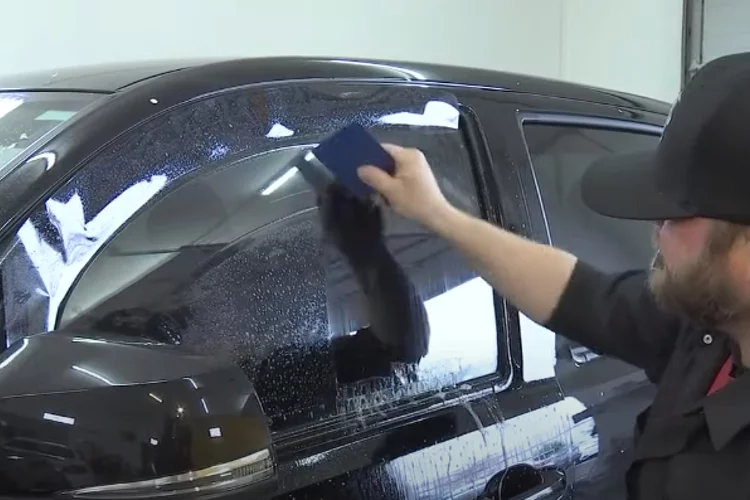
Bad information spreads fast in the automotive world. Window tinting has more than its share of persistent myths — and acting on them costs drivers real money when the film has to come back off.
The Dealer Installation Myth
"The dealer tinted the windows, so it must be legal." This is one of the most common and expensive assumptions you can make. Dealerships sometimes apply factory-appearance film and then layer darker aftermarket tint on top to make the car look sharper on the lot. The dealer is not your legal safety net.
- Get an independent tint meter reading before signing paperwork on any used vehicle
- Ask the dealer specifically what VLT percentage is on each window — if they can't answer, treat it as a red flag
- Liability for non-compliant tint passes entirely to you at the moment of purchase
The same due diligence applies to other exterior modifications. Our breakdown of car wrap versus paint covers how to evaluate a shop's work and verify it meets your standards before you drive away.
The Medical Exemption Myth
Medical exemptions for darker tint exist in many states — but they're far more limited than most drivers believe.
- Most states require written documentation from a licensed physician specifying a qualifying condition such as lupus, photosensitivity disorder, or melanoma history
- The exemption typically applies only to the driver's window — not all windows on the vehicle
- Documentation must be kept in the vehicle and presented during every traffic stop
- Out-of-state exemptions are not recognized across state lines — you can receive a citation in a neighboring state regardless of your home exemption
Tinting Mistakes That Fail Inspections
Even drivers who understand the legal limits make avoidable installation and compliance errors. These are the most common — and most costly — mistakes.
Stacking Film on Existing Tint
This is the exact scenario from the opening of this article — and it's far more common than you'd expect. Every layer of film compounds the VLT reduction. If your car has 70% factory glass with a 50% film already applied (combined ~35% VLT), adding another 35% film drops you to roughly 12% — illegal for front side windows in all 50 states.
- Always remove existing film completely before applying new film
- Measure your bare factory glass VLT before selecting a film shade
- Use your tint meter before, immediately after, and 72 hours after installation
- Never assume that because the existing tint "looks light" it isn't already close to the legal limit
Tint removal is a straightforward DIY task that fits squarely in the category of hands-on vehicle upkeep — you don't always need to pay a shop to strip old film correctly.
Windshield Strip Rules You're Probably Breaking
Most states allow a tinted strip across the top of the windshield — typically the top 4–6 inches, defined by the AS-1 line etched into most windshields. Below that line, windshield tinting is illegal in almost every U.S. state.
- The AS-1 line is a manufacturer's safety reference point — film below it creates dangerous visual blind spots
- Some installers extend the visor strip below the AS-1 line to improve the visual appearance — this is a violation
- Reflective or mirrored film on the windshield is prohibited in all 50 states
- Even clear UV-blocking film has application restrictions on windshields in certain states
Tip: Before any tint job, locate the etched "AS-1" marking near the top edge of your windshield — any film application on the windshield must stay above this line in virtually every jurisdiction.
Key Takeaways
- Window tint darkness legal limits vary significantly by state — always verify your state's VLT minimums for each specific window position before purchasing or applying film.
- VLT is a combined measurement of film and factory glass together — stacking any film on existing tint compounds the darkness and can push you into illegal territory without realizing it.
- A tint meter is the single most important tool in this process — measure your factory glass before choosing a shade, and verify compliance after the film fully cures.
- Neither a dealer installation nor a medical exemption automatically protects you from citations — verify the numbers independently, document any exemptions, and carry that documentation at all times.


About Chris Lewis
Chris Lewis developed a deep knowledge of automotive filtration, maintenance, and repair through years of hands-on experience working on vehicles — a passion rooted in time spent in his father's San Francisco auto shop from an early age. He has practical familiarity with air, oil, fuel, and cabin filter systems across a wide range of vehicle makes and models, along with experience evaluating the tools and equipment that serious DIY mechanics rely on. At MicrogreenFilter, he covers automotive and motorcycle filter reviews, maintenance guides, and automotive tool recommendations.
Get FREE Filters now. Or latest free tools from our best collections.
Disable Ad block to get all the secrets. Once done, hit any button below