Are Baofeng Radios Waterproof? IP Ratings and Waterproof Models Explained
by Chris Lewis
Last summer, I was halfway through wiring a light bar on my buddy's Jeep when a surprise rainstorm rolled in. My cheap handheld radio was sitting on the tailgate, and within seconds it was soaked. Dead. That experience sent me down a rabbit hole researching the best waterproof Baofeng radios and learning exactly what keeps these affordable handhelds alive when water shows up uninvited. Whether you're working in your garage, hitting the trails, or just need reliable communication in unpredictable weather, understanding water resistance ratings on Baofeng radios is essential knowledge for anyone in the radio equipment space.
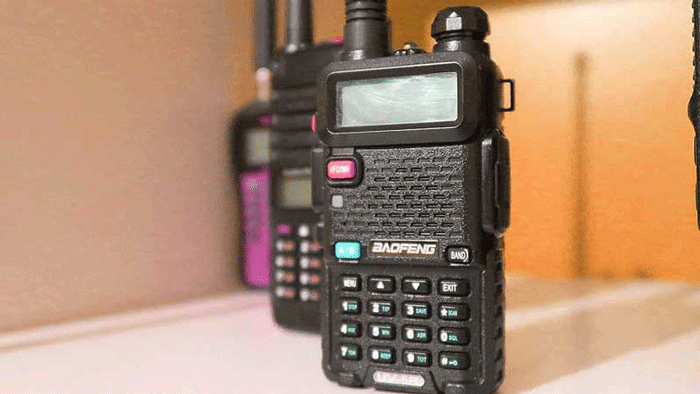
Baofeng radios have earned a massive following among hobbyists, off-roaders, and DIY enthusiasts because they pack serious functionality into a budget-friendly package. But water resistance is where things get tricky. Not every model handles moisture the same way, and the marketing language can be misleading if you don't know how to read IP (Ingress Protection) ratings. Before you trust your radio in wet conditions, you need to understand what those numbers actually mean — and which models back up their claims.
If you're already comparing communication options, our guide on walkie talkie vs CB radio vs ham radio breaks down the key differences. But once you've settled on a Baofeng, water resistance becomes the next critical factor to evaluate.
Contents
- Understanding IP Ratings on Baofeng Radios
- Best Waterproof Baofeng Models Compared
- Mistakes That Destroy Your Radio in Wet Conditions
- Waterproof Claims That Don't Hold Up
- How to Test Your Baofeng's Water Resistance
- Weighing Waterproof Baofeng Radios: Advantages and Trade-Offs
- Frequently Asked Questions
- Key Takeaways
Understanding IP Ratings on Baofeng Radios
The IP rating system is an international standard defined by the International Electrotechnical Commission (IEC) that tells you exactly how well an electronic device resists dust and water. You'll see it written as "IP" followed by two digits — something like IP54 or IP67. Each digit has a specific meaning, and understanding both is key to choosing the best waterproof Baofeng radios for your situation.
What the First Digit Means
The first digit rates solid particle protection on a scale from 0 to 6. A rating of 5 means the device is dust-protected — some particles might get in, but not enough to interfere with operation. A rating of 6 means it's completely dust-tight. For radios you're using outdoors or in a shop environment, you want at least a 5 here. Dust and fine debris from grinding, sanding, or trail riding can work their way into unsealed ports and corrode internal components over time.
What the Second Digit Means
The second digit is the one most people care about — it rates liquid ingress protection from 0 to 8. Here's where the real differences between Baofeng models show up. An IPX4 rating handles splashes from any direction. IPX6 can take powerful water jets. IPX7 means the device can survive temporary submersion in up to one meter of water for 30 minutes. IPX8 goes beyond that, rated for continuous submersion at depths specified by the manufacturer.
Best Waterproof Baofeng Models Compared
Not all Baofeng radios carry the same water resistance. Some models are built tough from the factory, while others rely on aftermarket accessories for any kind of protection. Here's how the most popular models stack up when it comes to keeping water out.
Top Picks by IP Rating
| Model | IP Rating | Dust Protection | Water Protection | Best For |
|---|---|---|---|---|
| Baofeng UV-9R Plus | IP67 | Dust-tight | Submersion (1m/30min) | Off-road, kayaking, heavy rain |
| Baofeng UV-9R Pro | IP67 | Dust-tight | Submersion (1m/30min) | Marine-adjacent use, trail work |
| Baofeng BF-9700 | IP67 | Dust-tight | Submersion (1m/30min) | Construction, outdoor work |
| Baofeng UV-5R | None | None | None | Indoor/dry conditions only |
| Baofeng UV-82 | None | None | None | Indoor/dry conditions only |
| Baofeng GT-3WP | IP67 | Dust-tight | Submersion (1m/30min) | General outdoor, rain exposure |
The UV-9R Plus and BF-9700 are the standout choices if you need genuine water protection. They share the same IP67 certification, meaning they're fully sealed against dust and can handle brief submersion. The classic UV-5R, while wildly popular, offers zero water protection out of the box — a detail many first-time buyers overlook. If you're curious about operating these legally, check out our post on Baofeng radio legality and IP ratings before you transmit.
Mistakes That Destroy Your Radio in Wet Conditions
Even with an IP67-rated Baofeng, you can still kill your radio if you're not careful. Water resistance isn't a permanent feature — it degrades over time, and certain habits accelerate that process dramatically.
Seal and Gasket Failures
The most common mistake is leaving the accessory port cover open. That little rubber flap on the side of your UV-9R Plus isn't decorative — it's a critical part of the waterproof seal. One open port turns an IP67 radio into an IP-nothing radio. The same goes for the battery compartment. If those contacts aren't seated properly and the gasket isn't aligned, water finds its way in.
Another killer is using your radio immediately after charging without checking that all port covers are fully closed. You unplug the charging cable, toss the radio in your bag, and head out. If that port cover didn't snap back into place, you've got a vulnerability. Get in the habit of doing a quick seal check every time you disconnect a cable or swap a battery.
Pro tip: Apply a thin layer of silicone grease to your radio's rubber gaskets every few months. It keeps seals supple and prevents the micro-cracks that let water sneak past an otherwise solid IP67 rating.
Dropping your radio is another issue that people underestimate. A fall onto concrete or rocks can crack the housing or shift internal gaskets just enough to compromise the seal. Unlike something like a synthetic winch rope vs steel cable comparison where durability is visible, water seal damage on a radio is invisible until it's too late.
Waterproof Claims That Don't Hold Up
There's a lot of misinformation floating around about Baofeng water resistance. Let's clear up the biggest myths so you can make informed decisions instead of expensive mistakes.
Waterproof vs. Water-Resistant
The single biggest myth is that "waterproof" means you can use your radio underwater. It doesn't. Even IP67-rated models are designed to survive accidental submersion, not intentional underwater use. The rating specifies static freshwater immersion — not moving water, not saltwater, and not water with soap or chemicals in it. Pressure from a running faucet or a pressure washer delivers force well beyond what the IP67 test simulates.
Another persistent myth is that aftermarket waterproof cases make a non-waterproof Baofeng equivalent to a factory-sealed model. They don't. Universal cases often muffle audio, make buttons harder to press, and create a false sense of security. A properly engineered IP67 radio with factory seals will always outperform a cheap radio in an aftermarket bag.
You'll also hear that rice fixes a water-damaged radio. It doesn't. Rice introduces starch dust into your radio's internals and does almost nothing to pull moisture from circuit boards. If your radio gets waterlogged, remove the battery, shake out excess water, and let it dry in front of a fan for 48 hours. Silica gel packets work far better than rice if you want a desiccant approach.
How to Test Your Baofeng's Water Resistance
If you've had your radio for a while, or you bought it secondhand, it's worth verifying that the seals are still intact before you trust it in wet conditions. You don't need lab equipment for a basic check.
A Simple DIY Splash Test
Start by doing a visual inspection. Check every rubber gasket and port cover for cracks, tears, or deformation. Press each cover closed and make sure it seats firmly with an audible click. If any cover feels loose or won't stay shut, your water protection is already compromised.
Next, run a controlled splash test. With the radio powered off and all ports sealed, hold it under a gentle stream of water from a faucet for about 10 seconds. Don't blast it — you're simulating rain, not a fire hose. Dry the exterior thoroughly, then open the battery compartment and check for any moisture inside. Even a single drop means the seal has failed somewhere.
For a more thorough test, fill a bowl with room-temperature water and submerge the sealed radio for about 60 seconds at a shallow depth. Remove it, dry it off, and inspect the battery compartment and accessory port areas. This simulates the IP67 submersion test at a basic level. Never use hot water — temperature differentials can create pressure that forces water past seals that would otherwise hold.
This same methodical approach to testing applies across your whole garage setup. Just like you'd check your oil filter wrench sizes before starting a job, verifying your radio's water resistance before heading out saves you from problems in the field.
Weighing Waterproof Baofeng Radios: Advantages and Trade-Offs
Upgrading to a waterproof Baofeng model involves some trade-offs worth considering. The extra sealing and ruggedized construction bring clear benefits, but they come with compromises you should understand upfront.
Who Actually Needs a Waterproof Model?
On the advantage side, IP67-rated models like the UV-9R Plus give you genuine peace of mind in unpredictable conditions. You can work in rain, mount your radio on an ATV roll cage, or use it near water without constantly worrying about damage. The sealed construction also keeps out dust, which is a major benefit if you're using your radio in a workshop where grinding or sanding generates fine particulate. The build quality on waterproof models is generally a step above the UV-5R series, with sturdier buttons and a more robust antenna connection.
On the trade-off side, waterproof Baofengs typically cost more — expect to pay roughly double what you'd spend on a UV-5R. The sealed housing makes battery swaps slightly more cumbersome since the compartment gasket needs to seat properly every time. Audio quality can be marginally different because the speaker grille uses a waterproof membrane. Some users report that the waterproof models feel bulkier in hand, though the weight difference is only around 30-50 grams.
If you primarily use your radio indoors or in fair weather, a standard UV-5R with reasonable care will serve you fine. But if you're the type who uses radios during trail rides, overlanding trips, or shop work where coolant and other fluids are present — and if you've ever wondered why coolant comes in different colors, you know liquids are everywhere in a garage — then the waterproof upgrade is worth every penny.
Frequently Asked Questions
Can I take my Baofeng UV-9R Plus swimming?
No. While the UV-9R Plus carries an IP67 rating that covers temporary submersion up to one meter for 30 minutes, this rating applies to accidental drops in still freshwater — not active swimming, where water pressure and movement exceed test parameters.
Does the standard Baofeng UV-5R have any water resistance?
The UV-5R has no IP rating and offers zero water resistance. Even light rain can damage the internal electronics if moisture enters through the speaker grille, antenna port, or accessory jack. Use a waterproof case or upgrade to an IP67-rated model for wet conditions.
How long do the waterproof seals on a Baofeng radio last?
Rubber gaskets and seals typically degrade over one to three years depending on use, UV exposure, and temperature extremes. Inspect seals every few months and apply silicone grease to keep them pliable. Replace the radio or seals if you notice cracking or deformation.
Is IP67 the same as fully waterproof?
No. IP67 means dust-tight and protected against temporary submersion in up to one meter of freshwater for 30 minutes. It does not mean the device can be used underwater continuously, in saltwater, or under pressurized water streams.
Can saltwater damage an IP67-rated Baofeng radio?
Yes. IP ratings are tested with freshwater only. Saltwater is corrosive and can degrade seals and internal components even on IP67-rated devices. If your radio contacts saltwater, rinse it immediately with fresh water and dry it thoroughly.
What should I do if my Baofeng radio gets water inside it?
Remove the battery immediately, shake out any visible water, and let the radio dry in front of a fan or with silica gel packets for at least 48 hours. Do not use rice, a hair dryer, or a microwave. Avoid powering on the radio until you're confident it's completely dry.
Are aftermarket waterproof cases effective for Baofeng radios?
They provide basic splash protection but are not a substitute for factory-sealed waterproofing. Universal cases can muffle audio, make controls harder to operate, and may not seal reliably around the antenna connection. For serious water exposure, invest in a model with a built-in IP67 rating.
Which Baofeng model is best for outdoor and off-road use?
The Baofeng UV-9R Plus is the most popular choice for outdoor use thanks to its IP67 rating, solid build quality, and reasonable price. The BF-9700 and GT-3WP are also strong contenders with the same IP67 certification and slightly different form factors.
Key Takeaways
- The best waterproof Baofeng radios carry an IP67 rating — the UV-9R Plus, BF-9700, and GT-3WP are the top choices for reliable water and dust protection.
- IP67 means surviving accidental submersion in freshwater, not continuous underwater use, saltwater exposure, or pressurized water streams.
- Waterproof seals degrade over time, so regular inspection, silicone grease maintenance, and periodic splash testing are essential to keeping your radio protected.
- Popular models like the UV-5R and UV-82 have zero water resistance — if you work or play in wet conditions, upgrading to a sealed model is a worthwhile investment.


About Chris Lewis
Chris Lewis developed a deep knowledge of automotive filtration, maintenance, and repair through years of hands-on experience working on vehicles — a passion rooted in time spent in his father's San Francisco auto shop from an early age. He has practical familiarity with air, oil, fuel, and cabin filter systems across a wide range of vehicle makes and models, along with experience evaluating the tools and equipment that serious DIY mechanics rely on. At MicrogreenFilter, he covers automotive and motorcycle filter reviews, maintenance guides, and automotive tool recommendations.
Get FREE Filters now. Or latest free tools from our best collections.
Disable Ad block to get all the secrets. Once done, hit any button below