Last summer, my neighbor's kids were zipping around the cul-de-sac on two different ride-on toys, and I couldn't help but notice how differently each one handled the pavement. One kid was on a Plasma Car, the other on a Wiggle Car, and the speed difference alone caught my attention. If you're trying to decide between a plasma car vs wiggle car for your family, you're not alone — it's one of those comparisons that seems simple until you start digging into the details. Much like choosing between petrol and diesel for your vehicle, the right pick depends on how you plan to use it and what matters most to you.
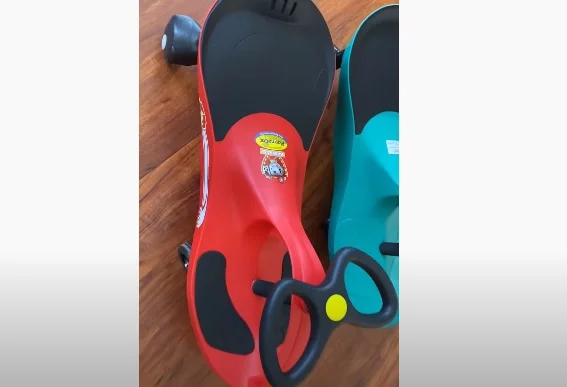
Both the Plasma Car and the Wiggle Car operate on similar principles — you steer the front wheel or handlebars side to side, and the swiveling motion propels you forward without pedals, batteries, or gears. They're engineered for kids (and adventurous adults), relying on inertia and centrifugal force to generate movement. But the similarities mostly end there. Build quality, speed potential, weight capacity, wheel material, and overall durability separate these two products in meaningful ways.
In this guide, you'll get a clear breakdown of both ride-on toys across every factor that actually matters — from construction and performance to long-term maintenance and safety. Whether you're buying for a toddler or a ten-year-old, you'll walk away knowing exactly which one fits your situation.
Contents
Plasma Car vs Wiggle Car: Side-by-Side Breakdown
Before diving into the nuances, here's a straightforward comparison of the key specifications. Having these numbers in front of you makes the decision process much easier, similar to how you'd compare muscle cars and sports cars by their core stats before test-driving either one.
| Feature | Plasma Car | Wiggle Car |
|---|---|---|
| Manufacturer | PlaSmart Inc. | Various (Lil' Rider, Ride On Toys, etc.) |
| Weight Capacity | Up to 220 lbs (100 kg) | Up to 150 lbs (68 kg) |
| Recommended Age | 3+ years | 3+ years |
| Wheel Material | ABS plastic (polyurethane upgrades available) | ABS plastic |
| Number of Wheels | 4 (front swivel + 3 fixed) | 4 (front swivel + 3 fixed) |
| Assembly Required | Minimal (attach steering wheel) | Minimal (attach handlebars) |
| Propulsion | Inertia + centrifugal force via steering wheel | Wiggle motion via handlebars |
| Typical Price Range | $40–$70 | $25–$50 |
| Best Surface | Smooth flat surfaces | Smooth flat surfaces |
| Adult Use | Yes (within weight limit) | Limited |
Build Materials and Construction
The Plasma Car uses a single-piece ABS thermoplastic body with no screws holding the main chassis together. This unibody approach gives it structural integrity you can feel when you pick it up. The Wiggle Car, depending on the manufacturer, typically uses injection-molded plastic with a bolt-together frame. Some budget Wiggle Car models feel noticeably flimsier, especially around the handlebar joint where stress concentrates during aggressive riding.
The Plasma Car's patented design means consistent quality control across units. Wiggle Cars are produced by multiple companies under various brand names, so quality varies wildly from one manufacturer to the next.
Weight Capacity and Age Range
That 220-pound capacity on the Plasma Car isn't just marketing — adults genuinely ride these things. The Wiggle Car's 150-pound limit means most adults are out of luck, and heavier kids approaching that threshold will notice the frame flexing. Both toys recommend ages three and up, but realistically, a coordinated two-year-old can figure out the Wiggle Car's handlebar motion slightly faster than the Plasma Car's steering wheel technique.
How Each Car Generates Motion
Both cars exploit the same basic physics — centripetal force and inertia work together when you oscillate the front wheel. The rider's body weight pressing down on the chassis while the front wheel swivels creates a net forward force. No batteries, no pedals, no chains. It's elegant engineering in its simplest form.
Steering Mechanism Differences
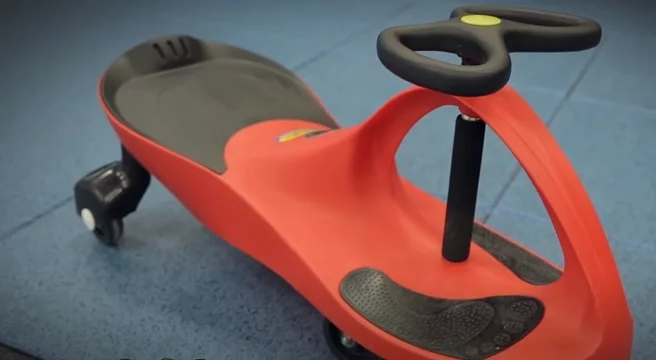
Here's where the plasma car vs wiggle car distinction becomes physical. The Plasma Car uses a flat steering wheel mounted directly above the front caster. You grip it with both hands and turn it rapidly left-right. The motion is compact and controlled. The Wiggle Car uses raised handlebars — more like a bicycle's setup — that you swing side to side with broader arm movements.
The handlebar design on Wiggle Cars gives younger riders an intuitive reference point since it mimics a bike or trike. But the Plasma Car's low steering wheel actually transfers energy more efficiently because your movements stay closer to the pivot axis. Less wasted motion means more forward speed per wiggle.
Speed and Performance on Different Surfaces
On smooth concrete or gymnasium floors, the Plasma Car reaches notably higher speeds. Some riders report hitting 6+ mph on slight declines. The Wiggle Car tends to max out around 3-4 mph under similar conditions. This speed difference comes down to wheel quality and the efficiency of the steering geometry.
Pro tip: Neither car works well on carpet, grass, or gravel. You need smooth, hard surfaces — think garage floors, driveways, sidewalks, or basketball courts. Rough asphalt will slow both cars and chew through wheels faster.
If your riding surface has cracks or rough patches, you'll find the Plasma Car handles them slightly better thanks to its wider wheelbase and more rigid frame. The Wiggle Car's lighter construction can actually be a disadvantage on imperfect surfaces because it bounces and loses contact more easily.
Assembly and Tools You'll Need
Good news if you're not mechanically inclined — neither of these requires a toolbox. That said, there are a few things worth knowing before your kid starts begging to ride the moment the box opens.
Out-of-Box Setup
The Plasma Car ships nearly fully assembled. You'll attach the steering wheel to the front column with a single bolt and washer, hand-tightened. Total time: under two minutes. The Wiggle Car requires connecting the handlebars to the front fork, usually with one or two bolts and a hex key (included). Some models also need the rear casters attached separately. Budget five minutes.
Neither product requires the kind of specialized wrench knowledge you'd need for automotive work. A basic Allen key handles everything, and most brands include one in the box.
Wheel Upgrades and Modifications
The Plasma Car has a thriving upgrade community. The stock ABS wheels work fine, but polyurethane replacement wheels dramatically improve grip, speed, and noise levels. They're available from several aftermarket suppliers and typically bolt on without modification. This is similar to how upgrading components on any vehicle — even something as basic as understanding your oil filter versus fuel filter — can meaningfully improve performance.
Wiggle Cars have fewer aftermarket options because of the brand fragmentation. Wheels from one manufacturer may not fit another's model. If a Wiggle Car's wheels wear out, you're often looking at replacing the entire unit rather than just the wheels.
Mistakes Parents Make When Choosing
After seeing dozens of families go through this decision, a few patterns emerge. These mistakes aren't obvious until you've already spent the money.
Ignoring Surface Requirements
The number one regret: buying either car without checking your available riding surface. If your driveway is rough-textured concrete or crumbling asphalt, both cars will disappoint. You'll get sluggish performance and rapid wheel wear. Families with smooth garage floors, sealed driveways, or access to tennis courts and basketball courts get the best experience.
Indoor use works great on hardwood or laminate, though you'll want to check for scuff marks from the wheels. The Plasma Car's stock wheels can leave marks on certain floor finishes, while some Wiggle Car wheels are slightly softer and less likely to scuff.
Overlooking Weight Limits
Parents buying for a growing child often grab the cheaper Wiggle Car without checking its 150-pound ceiling. A large eight-year-old or a parent wanting to demonstrate the toy can easily exceed that. The Plasma Car's 220-pound rating gives years more runway. If you have multiple kids of different ages who'll share the toy, the higher weight capacity pays for itself in versatility alone.
Don't stack riders. Neither car is designed for two children at once, even if their combined weight falls under the limit. The steering geometry changes with passenger positioning, and stability drops significantly.
Which One Lasts Longer?
Value isn't just about the purchase price — it's about cost per year of actual use. This is where the plasma car vs wiggle car comparison gets interesting for budget-conscious families.
Durability Over Years of Use
PlaSmart has been manufacturing the Plasma Car since the early 2000s, and you'll find accounts of units lasting five-plus years of regular use with nothing more than wheel replacements. The unibody construction means there are fewer points of failure. No bolts to loosen, no joints to crack.
Wiggle Cars vary enormously by brand. Premium models from established toy companies hold up reasonably well — maybe three to four years of moderate use. Budget models from no-name brands can develop handlebar wobble or seat cracks within a single season of heavy riding. You tend to get what you pay for. It's comparable to how regular maintenance intervals determine how long any mechanical device performs at its best.
Resale and Hand-Me-Down Value
Plasma Cars hold their value surprisingly well on secondhand markets. A well-maintained unit with upgraded polyurethane wheels can fetch 50-60% of retail on marketplace platforms. The brand recognition helps — buyers know what they're getting. Wiggle Cars, being generic, rarely sell for more than a few dollars used unless they're nearly new in box. Most end up donated or passed to younger cousins.
Keeping Your Ride-On in Top Shape
Maintenance on these toys is minimal, but the little you do makes a significant difference in lifespan. Think of it as the ride-on equivalent of basic DIY maintenance — simple habits that prevent bigger problems.
Wheel Inspection and Replacement
Check the wheels monthly if your child rides daily. Look for flat spots — these develop when the car is ridden on rough surfaces or when kids lock the steering and drag sideways. On the Plasma Car, flat-spotted wheels cause vibration and reduced speed. The fix is straightforward: pop off the retaining clip, slide off the old wheel, slide on the new one.
- Stock ABS wheels: inspect every 2-3 months, replace annually with heavy use
- Polyurethane upgrades: last 2-3x longer, quieter, better grip on smooth surfaces
- Rear casters: check for hair/string wrapped around the axle — this causes drag and squeaking
For the Wiggle Car, wheel replacement parts are harder to source. Your best bet is contacting the original manufacturer directly or finding a compatible generic caster wheel at a hardware store.
Storage and Weather Protection
UV exposure is the silent killer for both cars. ABS plastic degrades and becomes brittle with prolonged sun exposure. If you're leaving the toy outside, expect the color to fade within one summer and the structural plastic to become crack-prone within two. Store both indoors — a garage corner works perfectly.
Rain exposure won't immediately damage either car, but standing water inside the wheel housings promotes rust on any metal axle components and can cause squeaking. Tilt them against a wall after wet rides to drain. These are the same common-sense storage principles you'd apply to any equipment, much like how protecting your tonneau cover from the elements extends its useful life.
When to Pick the Plasma Car vs the Wiggle Car
There's no universally better option here — the right choice depends entirely on your specific situation. Let's break down the ideal scenarios for each.
Best Scenarios for the Plasma Car
Choose the Plasma Car when you want a toy that grows with your child. That 220-pound weight limit means it'll work from age three through the preteen years, and you can hop on it yourself without worry. It's also the better pick if you have smooth riding surfaces and care about speed — the efficient steering design and availability of polyurethane wheel upgrades give it a clear performance edge.
Families who value long-term durability and don't mind spending an extra $15-20 upfront will find the Plasma Car more economical over its lifespan. The parts ecosystem and consistent build quality justify the premium. It's particularly good for competitive kids — races between Plasma Car riders are genuinely exciting at the speeds these things reach.
Best Scenarios for the Wiggle Car
The Wiggle Car makes sense when budget is tight and you want a functional ride-on toy without the premium price tag. It's also a reasonable choice for very young riders (two to three years old) who find the handlebar steering more intuitive than the Plasma Car's wheel. If your child is small, rides infrequently, and has a suitable surface available, the Wiggle Car does the job.
It's also fine as a "trial" purchase — if you're not sure your child will even enjoy this style of ride-on toy, spending $25-30 on a Wiggle Car to test the concept makes more sense than committing $50-70 to a Plasma Car they might ignore. Just know what you're getting: a product that works but doesn't match the Plasma Car's engineering refinement or longevity.
Frequently Asked Questions
Can adults ride a Plasma Car?
Yes. The Plasma Car supports riders up to 220 pounds (100 kg), which accommodates most adults. The experience is surprisingly fun — many parents discover this when demonstrating the toy for their kids. Just ensure you're on a smooth, flat surface with adequate clearance around you.
Do Plasma Cars and Wiggle Cars work on carpet?
No, neither car performs well on carpet. Both require hard, smooth surfaces to generate the rolling friction needed for propulsion. Carpet creates too much resistance for the swivel wheels to translate side-to-side motion into forward movement. Stick to concrete, hardwood, laminate, or smooth tile.
How fast can a Plasma Car go?
On smooth, flat surfaces, a Plasma Car can reach approximately 6 mph with an experienced rider using vigorous steering motion. On slight downhill slopes, speeds can exceed that. The Wiggle Car typically maxes out around 3-4 mph under similar conditions due to less efficient energy transfer from its handlebar mechanism.
Are polyurethane wheel upgrades worth it for the Plasma Car?
Absolutely. Polyurethane wheels offer better grip, less noise, smoother rolling, and significantly longer lifespan compared to the stock ABS wheels. They typically cost $15-25 for a full set and are the single best upgrade you can make. They also reduce floor scuffing if you ride indoors.
What age is best to start with these ride-on toys?
Most children can start around age three, though some coordinated two-year-olds manage the Wiggle Car's handlebar motion. The Plasma Car's steering wheel requires slightly more coordination and arm strength. Both toys work best once children can sit upright confidently and understand left-right turning motions.
Is the Wiggle Car just a cheaper copy of the Plasma Car?
Not exactly. While both use similar physics principles, the Wiggle Car isn't a direct knockoff — it uses a different steering interface (handlebars vs. steering wheel) and is produced by multiple manufacturers under various brand names. The Plasma Car is a specific patented product from PlaSmart Inc. The functional concept overlaps, but they're distinct products with different build approaches.
How long do the wheels typically last?
Stock ABS wheels on either car last roughly six to twelve months with regular use on smooth concrete. Aggressive riding on rough surfaces can wear them down in as little as two to three months. Polyurethane replacement wheels for the Plasma Car can last two to three years under normal conditions. Check for flat spots periodically as these indicate replacement time.
Final Thoughts
You now have everything you need to make a confident decision between the Plasma Car and the Wiggle Car. If your budget allows and you want the toy that'll last longest with the best performance, go with the Plasma Car and add polyurethane wheels within the first few months. If you're testing the waters or buying for a very young child on a tight budget, the Wiggle Car gets the job done. Either way, check your riding surface first — that single factor determines whether your purchase becomes a daily favorite or a garage shelf decoration. Pick one, get outside, and let the wiggling begin.


About Chris Lewis
Chris Lewis developed a deep knowledge of automotive filtration, maintenance, and repair through years of hands-on experience working on vehicles — a passion rooted in time spent in his father's San Francisco auto shop from an early age. He has practical familiarity with air, oil, fuel, and cabin filter systems across a wide range of vehicle makes and models, along with experience evaluating the tools and equipment that serious DIY mechanics rely on. At MicrogreenFilter, he covers automotive and motorcycle filter reviews, maintenance guides, and automotive tool recommendations.
Get FREE Filters now. Or latest free tools from our best collections.
Disable Ad block to get all the secrets. Once done, hit any button below