About 28% of passenger vehicles on U.S. roads have at least one significantly underinflated tire, according to the National Highway Traffic Safety Administration (NHTSA). That's a staggering number — and most of those drivers have no idea. If you've ever needed to check tire pressure without a gauge, whether your gauge is missing, broken, or you're stuck roadside without any tools, you're in the right place. There are practical methods to estimate tire pressure using nothing but your eyes, your hands, and a little know-how. This guide walks you through all of them. For more hands-on car care advice, browse the full automotive section.
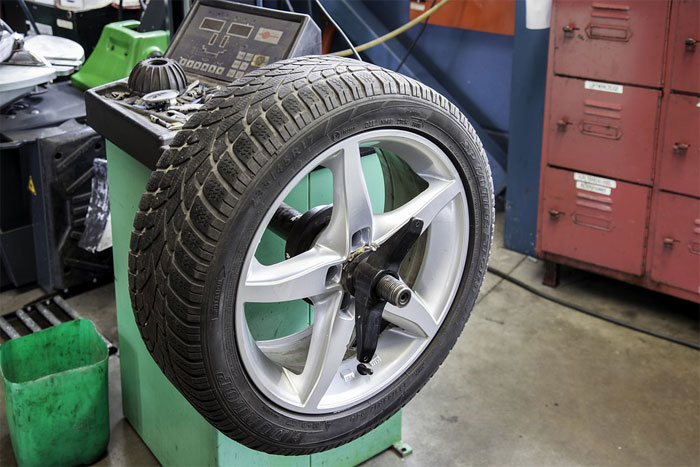
Tire pressure affects everything — fuel economy, steering response, braking distance, and how quickly your tires wear down. Most passenger cars run best between 30 and 35 PSI (pounds per square inch), but the right number depends on your specific vehicle. Driving on underinflated tires doesn't just cost you money at the pump — it raises your blowout risk at highway speeds.
The methods here aren't permanent replacements for a real gauge. But they'll help you catch serious problems before they turn dangerous, and they'll sharpen your eye for what healthy tires look like every day.
Contents
- Quick Visual Signs Your Tires Are Low
- How to Check Tire Pressure Without a Gauge
- Tools That Help When You're Gauge-Free
- Beginner-Friendly vs. Advanced Pressure Checks
- When These Methods Work — And When They Don't
- Real-World Situations Where This Skill Pays Off
- Troubleshooting Common Tire Pressure Problems
- Frequently Asked Questions
- Final Thoughts
Quick Visual Signs Your Tires Are Low
Your eyes are the first tool you have. A simple walkaround of your vehicle can reveal a lot before you touch anything. Tires that look completely flat are easy to spot — but there's a range of underinflation that's subtler and just as dangerous.
Checking for Sidewall Bulge and Sag
A properly inflated tire has a firm, round sidewall. When pressure drops, the sidewall sags and bows outward at the bottom contact point. Here's what to look for:
- Crouch down and view each tire from the side at eye level.
- A slight flattening at the bottom where the tire meets the pavement is completely normal.
- A noticeable sag, spreading, or outward bow is not.
- Walk all four tires and compare them against each other — one visibly lower tire stands out quickly.
- Check the upper sidewall for any bulges, which could signal a structural failure, not just low pressure.
What Tread Wear Tells You
Uneven wear is a long-term signal that tires have been running at the wrong pressure. Run your hand across the tread face and look closely:
- Wear on the outer edges: Usually points to chronic underinflation.
- Wear along the center strip: Often indicates overinflation.
- Even wear all the way across suggests your pressure has been roughly correct.
These clues won't give you a PSI number. But they tell you which direction the problem is going — and that's useful information on its own.
How to Check Tire Pressure Without a Gauge
Two hands-on methods have been used for decades to estimate inflation when no gauge is available. Neither gives you an exact number, but both help you check tire pressure without a gauge well enough to identify a real problem.
The Hand Press Method
Do this on a flat, level surface when the tires are cold — meaning the car has been parked for at least a few hours, not after a long drive.
- Crouch beside each tire and press your open palm firmly against the sidewall, midway up.
- A properly inflated tire should feel solid and unyielding — like pressing on a firm, dense rubber ball.
- If the sidewall gives noticeably under your hand, the tire is likely underinflated.
- Repeat on all four tires and note which ones feel softer than the others.
This method won't catch a tire that's only 3–4 PSI low. But it will flag a tire that's significantly underinflated and needs attention before you drive. Use it as a quick filter, not a final answer.
The Visual Sag Method
This pairs well with the hand press check and adds a visual layer of comparison:
- Photograph all four tires from the same distance and angle.
- Compare the contact patch — the flat spot at the bottom where rubber meets pavement.
- A consistent, small contact patch is normal. A wide, spreading patch means low pressure.
- If one tire shows a noticeably wider flat spot than the others, inflate that one first.
Some drivers chalk a reference line on their garage floor to track changes over time. Low-tech and surprisingly effective for catching gradual leaks.
Tools That Help When You're Gauge-Free
Not having a traditional gauge doesn't mean you're completely without options. A few modern tools can give you better information than a visual check alone.
TPMS Sensors and Smartphone Options
Most U.S. vehicles built after 2008 come with a Tire Pressure Monitoring System (TPMS) — a built-in sensor network that alerts you when pressure drops roughly 25% below the recommended level. Here's how to use it smartly:
- Learn what the TPMS warning light looks like on your dashboard (a cross-section of a tire with an exclamation mark).
- If it's lit, your tire is already at a safety-relevant low — don't ignore it.
- Some vehicles display actual per-tire PSI readings on the infotainment screen.
- Aftermarket Bluetooth TPMS kits pair to your phone and give live readings — no mechanic needed to install them.
If you want to be better prepared overall for roadside situations, it also helps to understand your equipment options — including the differences between bottle jacks vs. floor jacks for safely lifting your vehicle when needed.
Gas Station Air Machines
Many gas stations offer air machines with built-in pressure gauges. Even without your own gauge, a quick stop lets you:
- Get an accurate PSI reading on all four tires.
- Add air precisely to the recommended level.
- Verify the reading after inflating to confirm you hit the target.
Most stations offer this free or for under $1.50. It's the fastest bridge between a gauge-free check and an accurate one.
Beginner-Friendly vs. Advanced Pressure Checks
Where you fall on the experience scale shapes which approach makes the most sense for you. Here's a breakdown by level.
What Beginners Can Do Right Now
- Do a visual walkaround every time you get in the car — it takes 30 seconds.
- Find your vehicle's recommended PSI on the sticker inside the driver's door jamb. That's your number, not what's printed on the tire sidewall.
- Glance at your dashboard for TPMS warning lights after starting the engine.
- Make a monthly stop at a gas station with an air machine to verify and adjust pressure.
What More Experienced Drivers Use
- Install valve stem caps with built-in pressure indicators — they turn from green to red when pressure drops below the set threshold.
- Use an aftermarket Bluetooth TPMS to monitor all four tires live from your phone.
- Track cold vs. hot tire pressure differences — temperature adds 4–6 PSI during a drive, which is normal.
- Log seasonal changes: tires typically lose 1 PSI for every 10°F drop in temperature.
| Vehicle Type | Typical Recommended PSI | Check Frequency | TPMS Standard? |
|---|---|---|---|
| Passenger Car | 30–35 PSI | Monthly | Yes (2008+) |
| SUV / Crossover | 33–40 PSI | Monthly | Yes (2008+) |
| Light Truck / Pickup | 35–45 PSI | Monthly | Yes (2008+) |
| Motorcycle | 28–41 PSI (varies by tire) | Before every ride | Rarely |
| Compact Spare Tire | 60 PSI | Every 6 months | Usually not monitored |
Always verify your specific vehicle's PSI from the door jamb sticker or owner's manual. The maximum PSI on the tire sidewall is the tire's structural limit — not your operating target.
When These Methods Work — And When They Don't
Being honest about the limits of gauge-free checks matters for your safety. Here's a clear-eyed look at when they're reasonable and when they fall short.
Situations Where Gauge-Free Checks Are Reasonable
- Pre-trip sanity check: You just want to confirm nothing is obviously flat before a short local drive.
- You recently had tires properly inflated and just want a quick confirmation a day or two later.
- You're in a remote area with no tools — a visual and hand check is meaningfully better than nothing.
- Your TPMS light is off and you're checking that no obvious pressure loss has occurred.
When You Absolutely Need a Real Gauge
- Before any long highway trip.
- When carrying heavy loads or towing — pressure requirements shift significantly under load.
- After any tire repair, patch, or plug.
- During seasonal tire swaps between winter and summer sets.
- If your TPMS light has come on — visual methods can't tell you how much air to add.
Pro Tip: A quality digital tire gauge costs under $15 and fits in your glove box — it's one of the most affordable safety tools you can own. Get one before you actually need it.
Keeping your wheels properly maintained extends beyond pressure checks. If you haven't thought about protecting your wheels from theft, it's worth looking into quality wheel locks for your vehicle as part of a complete tire care routine.
Real-World Situations Where This Skill Pays Off
Knowing how to assess tire pressure on the fly isn't just theory. It comes up more often than you might expect.
Road Trips and Emergencies
You're two hours from home. The car starts pulling slightly to the left. No gauge in the car. Here's your action plan:
- Pull over safely and visually inspect all four tires.
- Use the hand press method to quickly identify any obviously soft tire.
- Check your dashboard TPMS display if available.
- Drive carefully to the nearest gas station for an accurate reading and air.
If you're heading into winter conditions, pair your pressure habits with the right gear. Knowing your options — including the best tire chains for icy roads — keeps you prepared for conditions where pressure issues compound quickly.

Motorcycle Tire Checks
Motorcycle tires are far more sensitive to pressure changes than car tires. Even a 5 PSI difference can noticeably affect handling and stability. Most bikes don't have TPMS, so riders need to develop a sharper feel for their tires.
- Press the tire sidewall firmly with your thumb before every ride — it should feel rock solid.
- Visually check for any spreading at the contact patch.
- Cold-check pressure first thing in the morning, before any riding, since small tire volumes respond faster to temperature shifts.
- Keep a compact gauge in your riding gear as standard kit — it weighs almost nothing.
If you ride long distances, combining good pressure habits with the right touring motorcycle tires makes a real difference in how long your rubber lasts and how confidently the bike handles on extended trips.
Troubleshooting Common Tire Pressure Problems
Even when you know the techniques, issues still come up. Here are the most common problems and what to do about them.
Why Your Tire Keeps Losing Air
If you find yourself topping up the same tire repeatedly, something is wrong. The most common causes:
- Nail or screw in the tread — causes a very slow leak that can take days to become obvious.
- A damaged or corroded valve stem — the small fitting you attach a pump to. A faulty stem leaks continuously.
- A bent or cracked wheel rim — common after hitting a pothole hard.
- A bead leak where the tire meets the rim, especially on older or corroded wheels.
Developing the habit of catching problems early applies across all car maintenance. Just like learning the signs your spark plug needs replacing before it strands you, catching a slow tire leak early costs far less than dealing with a blowout.
What to Do After a Gauge-Free Check
Once you've done a visual or hand check and suspect a tire is low, here's your step-by-step:
- Drive carefully at reduced speed to the nearest gas station with an air machine.
- Inflate to the PSI on your door jamb sticker — not the maximum PSI on the tire sidewall.
- Re-check the pressure after adding air to confirm you hit the target.
- If the tire drops pressure again within 24–48 hours, take it to a tire shop for a proper inspection.
- Invest in a compact digital gauge and keep it in the glove box — so this situation doesn't repeat.
Frequently Asked Questions
Can you actually check tire pressure without a gauge?
You can get a rough estimate using visual inspection and the hand press method, but you cannot get an accurate PSI reading without a gauge. These methods are useful for catching obviously underinflated tires, but they're not substitutes for a real gauge when precision matters.
What does an underinflated tire feel like when you press it?
An underinflated tire will give noticeably when you press your palm firmly against the sidewall. A properly inflated tire feels solid and unyielding — similar to pressing on a firm rubber ball. If the sidewall flexes easily under moderate hand pressure, the tire likely needs air.
How much does tire pressure drop in cold weather?
Tire pressure drops approximately 1 PSI for every 10°F decrease in ambient temperature. A 30°F overnight drop means you could lose around 3 PSI across all four tires — which is why TPMS warning lights often appear on cold mornings when everything was fine the day before.
Is it safe to drive on a tire that looks slightly low?
It depends on how low. A visibly flat tire should not be driven on. If the tire looks only slightly low and your TPMS light isn't on, driving carefully to the nearest air station is generally safe for a short distance. Avoid highway speeds until you've verified and corrected the pressure.
Where can I find the correct tire pressure for my vehicle?
The recommended PSI is printed on a sticker inside the driver's door jamb. You'll also find it in your owner's manual. Never use the maximum PSI printed on the tire sidewall — that's the tire's structural limit, not the pressure your vehicle is designed to run on.
Do valve stem caps affect tire pressure?
Standard caps don't affect pressure — they just keep dirt and moisture out of the valve core. However, you can buy caps with built-in color-coded pressure indicators that shift from green to red when pressure drops below a set threshold. These provide a quick visual cue without pulling out a gauge.
How often should you check tire pressure?
Most manufacturers recommend checking at least once a month and before any long trip. In areas with large seasonal temperature swings, check more frequently — especially at the beginning of winter and summer. Building the habit of a quick visual check every time you approach your car costs you nothing and catches problems early.
Final Thoughts
Knowing how to check tire pressure without a gauge is a practical skill that every driver benefits from having — but don't rely on it as a long-term solution. Pick up a quality digital gauge, stow it in your glove box, and make a monthly pressure check part of your regular routine. Your tires, your fuel bill, and your safety on the road will all be better for the effort.


About Chris Lewis
Chris Lewis developed a deep knowledge of automotive filtration, maintenance, and repair through years of hands-on experience working on vehicles — a passion rooted in time spent in his father's San Francisco auto shop from an early age. He has practical familiarity with air, oil, fuel, and cabin filter systems across a wide range of vehicle makes and models, along with experience evaluating the tools and equipment that serious DIY mechanics rely on. At MicrogreenFilter, he covers automotive and motorcycle filter reviews, maintenance guides, and automotive tool recommendations.
Get FREE Filters now. Or latest free tools from our best collections.
Disable Ad block to get all the secrets. Once done, hit any button below